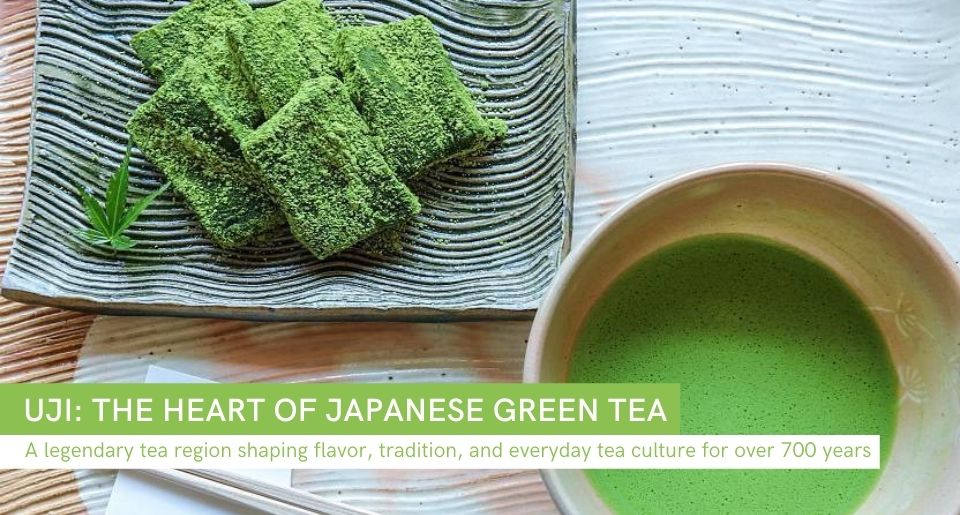
When people talk about Japanese green tea like it’s in a league of its own, they’re usually talking about tea that traces back to one place: Uji. This quiet town just outside Kyoto isn’t massive or flashy, but in the tea world, it’s basically legendary. Uji isn’t just known for making good tea. It’s known for shaping what Japanese green tea even is.
Tea has been grown in Uji for more than 700 years, and over that time, farmers, tea masters, and entire families built techniques that are still used across Japan today. If you’ve ever enjoyed matcha, sencha, or gyokuro, chances are those styles exist in their current form because of innovations that started in Uji.
But Uji tea isn’t famous just because of history. It’s famous because cup after cup, it delivers flavor that feels balanced, thoughtful, and honestly just comforting.
Why Uji Became Tea Royalty
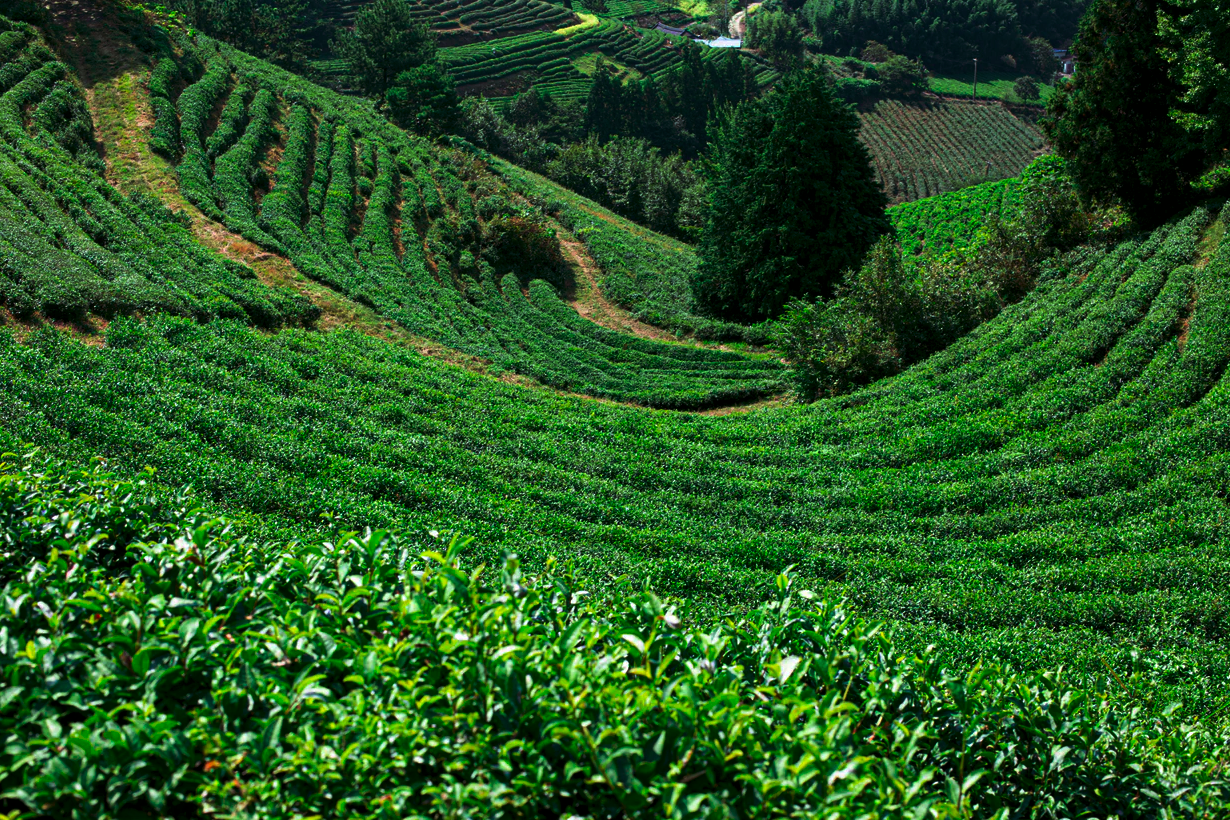
Uji’s location is a huge factor in why tea produced from that region is of high quality.
A lot of Uji’s success comes down to geography. The region has this almost perfect combination of gentle hills, mineral-rich soil, and frequent river mist. That mist might sound like a small detail, but it protects delicate tea leaves from direct sunlight and helps slow their growth, which allows deeper flavors to develop.
Early tea in Japan was mostly enjoyed by monks and nobles, but as tea cultivation improved in Uji, it gradually became more accessible. By the time Japan entered the Edo period, tea from Uji had built a reputation as the gold standard. If someone wanted high-quality tea, Uji was the place to look.
One of the biggest breakthroughs that helped Uji stand out was shading tea plants before harvest. By limiting sunlight, tea plants produce more chlorophyll and amino acids. That’s what gives certain teas their deep green color and rich, savory umami flavor. Without that shading technique, matcha and gyokuro as we know them today wouldn’t really exist.
The Different Personalities of Uji Tea
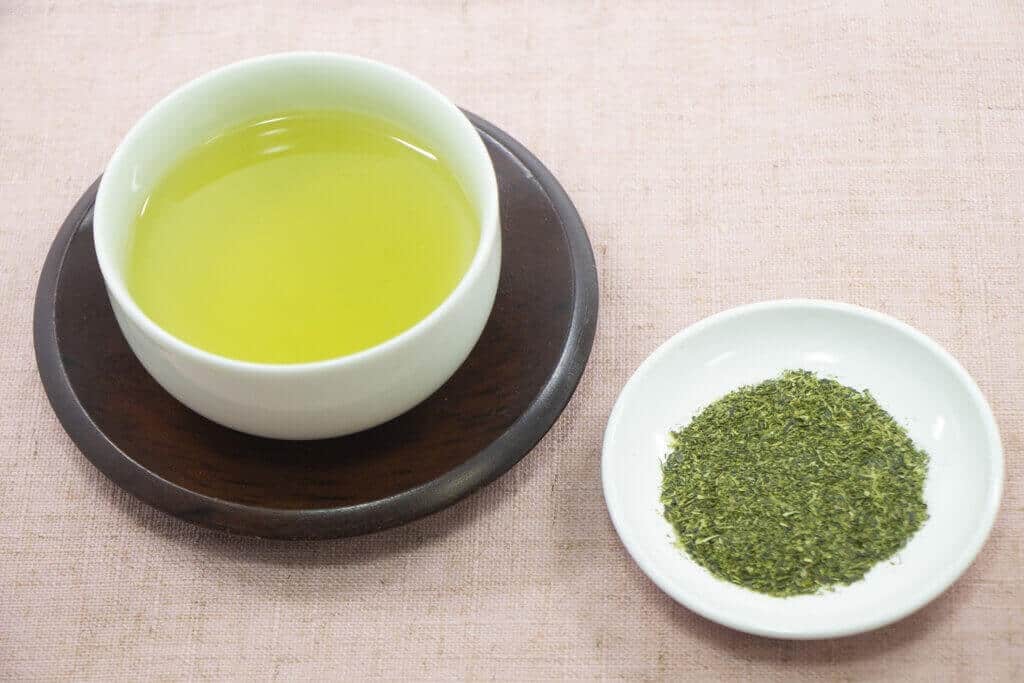
One of the coolest things about Uji tea is how varied it can be. Even though everything comes from the same region, each style feels like it has its own personality.
Sencha is probably the most familiar. It’s bright, refreshing, and balanced, which makes it easy to drink daily. It’s the kind of tea that works in the morning, during work breaks, or even alongside meals.
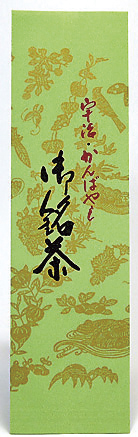
If you want to see a classic example of this style, the Kanbayashi Sencha Tsurezure is a great representation of how Uji sencha usually tastes. It leans into that signature balance of sweetness and gentle astringency. What’s nice about teas like this is how flexible they are. Brew them hotter, and they feel lighter and more aromatic. Brew them cooler, and suddenly the sweetness becomes more noticeable.
Then you have gyokuro, which feels like sencha’s quieter, more intense cousin. Gyokuro is shaded longer before harvest, which creates a thicker body and a stronger umami presence. It’s not exactly a grab-and-go kind of tea. It’s more like a tea you sit down with when you want to slow your brain down for a bit.
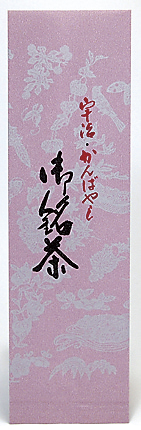
A solid example of this style is the Kanbayashi Gyokuro Zuigyoku. It shows off that smooth, layered flavor gyokuro fans usually look for without feeling too heavy or intimidating. It’s one of those teas that encourages you to sip slowly because the flavor keeps changing as it cools.
Matcha: The Face of Uji Tea Worldwide
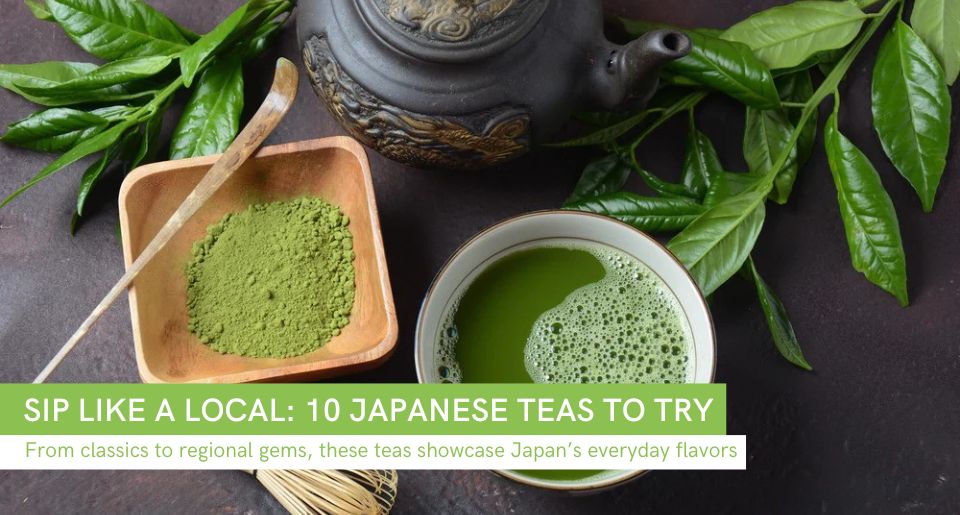
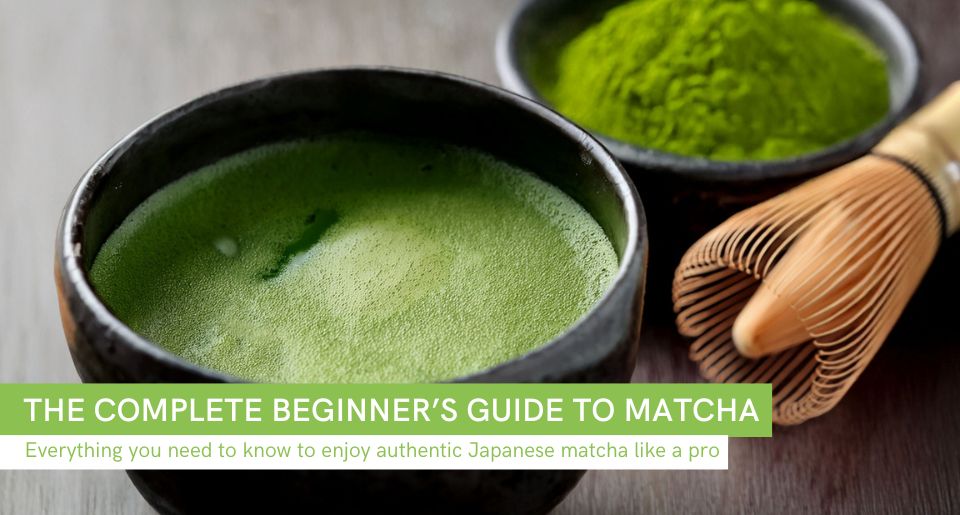
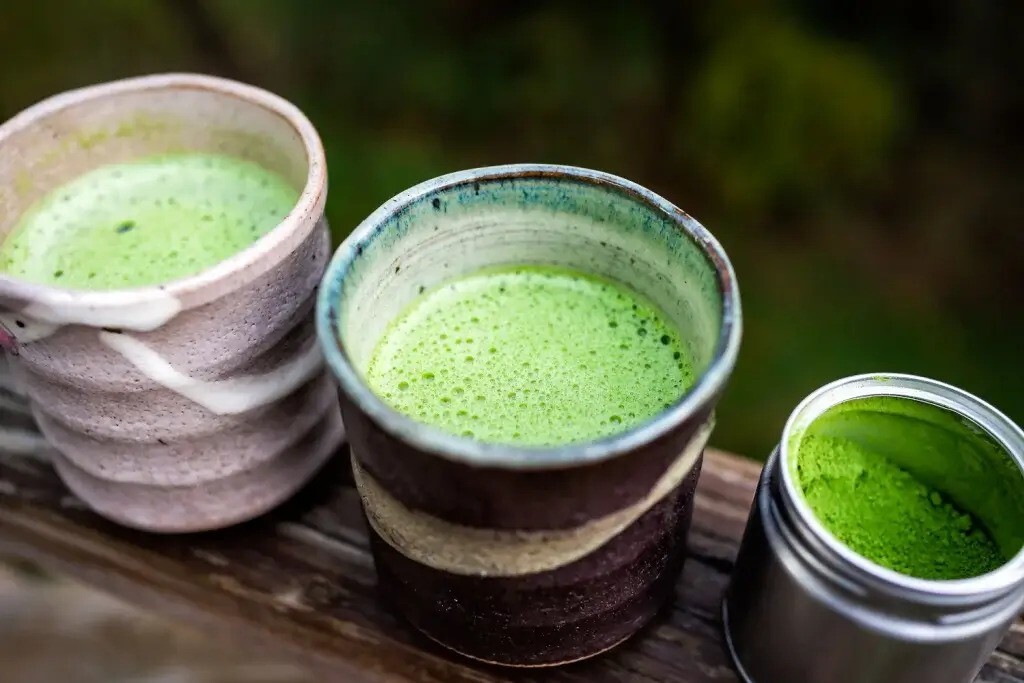
If Uji tea had an ambassador, it would probably be matcha. Matcha is made by grinding specially grown tea leaves into a fine powder, which means you’re drinking the whole leaf instead of just steeping it. That’s part of why matcha tastes so full-bodied and feels so smooth when it’s done right.
Uji matcha is especially well known for its bright color and creamy texture. Those qualities come from careful cultivation and very precise grinding methods that take time and experience to master.
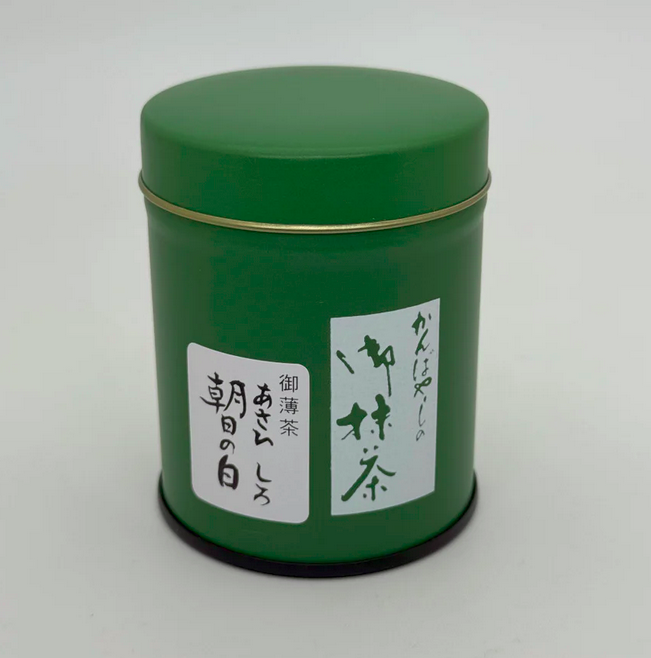
Kanbayashi Uji Matcha Asahi no Shiro
For a traditional-style option, the Kanbayashi Uji Matcha Asahi no Shiro is a good example of how refined Uji matcha can feel. It works beautifully when whisked the classic way, but it also blends easily into modern drinks like lattes or desserts. That flexibility is part of why matcha has become so globally popular, even though it’s deeply tied to traditional Japanese tea ceremony culture.
The Style Most People Don’t Expect
Not all Uji teas are leaf-focused or ceremonial. Some of the more underrated styles are honestly some of the most relaxing to drink. Karigane is one of those hidden gems.
Karigane is made using stems and veins left over from gyokuro or high-grade sencha production. It might sound like a leftover ingredient, but the flavor can be surprisingly delicate and slightly sweet. It usually has less bitterness and feels very smooth, which makes it incredibly easy to drink throughout the day.
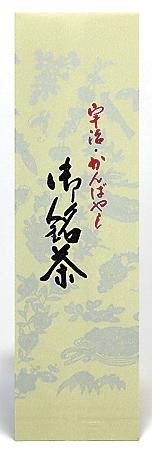
Kanbayashi Karigane Tomoshiraga
A good representation of this style is the Kanbayashi Karigane Tomoshiraga. Teas like this show how Japanese tea culture values every part of the plant. Nothing is wasted, and each part is handled in a way that highlights its best qualities.
A Quick Nod to One Long-Standing Tea Name
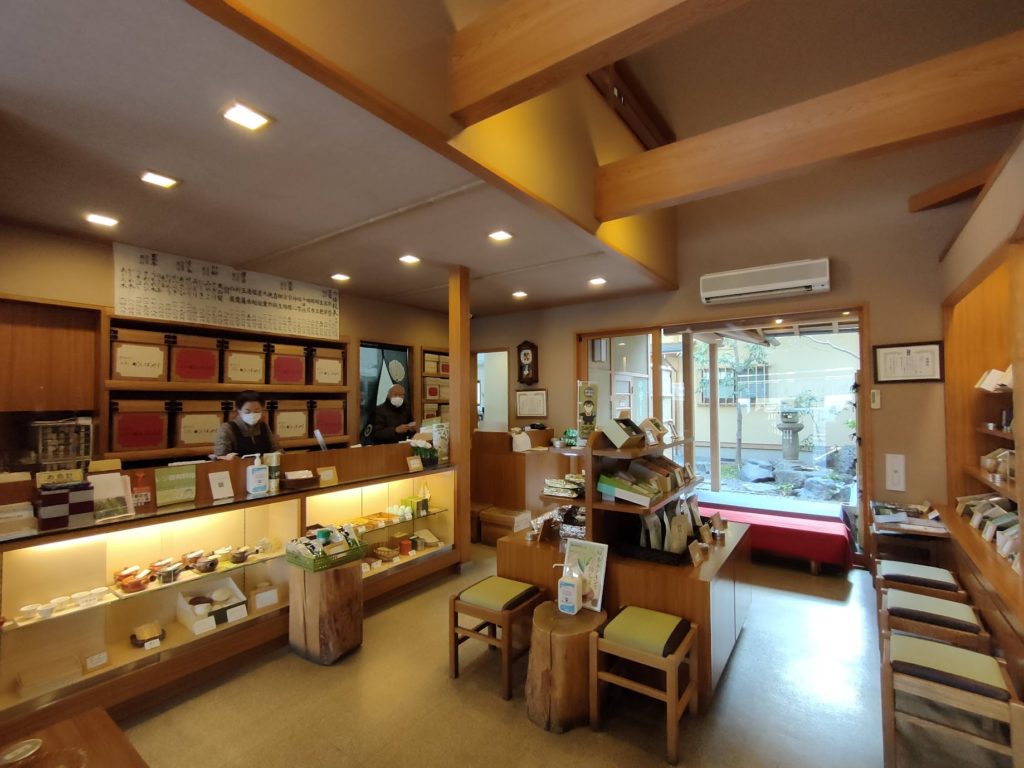
Kanbayashi is one of the oldest and most prominent tea producers in Uji.
While Uji tea involves many farms and tea houses, one long-standing name you’ll occasionally hear is Kanbayashi, a tea producer with several centuries of history in the region. Families like this helped shape how Uji tea developed over time, refining cultivation methods and maintaining quality standards that eventually became benchmarks across Japan.
What makes producers like Kanbayashi interesting isn’t just their age, though. It’s how they’ve managed to keep traditional tea knowledge alive while still making teas that modern drinkers can easily enjoy. Their teas are still processed and finished in Uji, which keeps them closely tied to the region’s identity and flavor profile. They’re just one example of how Uji tea culture survives through generational craftsmanship rather than mass production shortcuts.
Why Uji Tea Still Feels Special Today
Uji tea has remained special for centuries because it represents more than just quality. It reflects a culture of patience, attention, and care. Tea growers in the region carefully time their harvests and adjust processing methods depending on the tea they are producing. Even brewing instructions often emphasize slowing down and appreciating the experience rather than rushing through it.
That thoughtful approach shows clearly in the cup. Uji tea tends to feel balanced, smooth, and comforting rather than overwhelming. It’s the kind of tea that encourages you to pause, take a breath, and enjoy a quiet moment. Some teas energize you. Others help you relax. Uji tea often finds a way to do both at once.
For newcomers, Uji is one of the easiest and most rewarding ways to explore Japanese green tea. The lively freshness of sencha, the deep umami richness of gyokuro, the ceremonial elegance of matcha, and the gentle sweetness of karigane all showcase different expressions of the region’s craftsmanship. Each variety offers its own personality while still carrying that unmistakable Uji character.
Exploring Uji tea doesn’t have to be complicated. Sometimes it simply means choosing a tea that sounds interesting, brewing it a little more slowly than usual, and paying attention to how the aroma and flavor change with each sip. Those small moments of discovery are part of what makes Uji tea so enjoyable, and they often lead to deeper appreciation over time.
What do you think?
Which type of Uji tea would you want to try first—refreshing sencha, rich gyokuro, smooth matcha, or the gentle sweetness of karigane?
Have you ever tried authentic Uji tea before? How did it compare to other green teas you’ve tasted?
Do you prefer tea as part of a daily routine, or do you enjoy preparing it as a relaxing ritual?
Let us know in the comments or reach out on social media: X (formerly Twitter), Instagram, and Facebook. We’d love to hear about your favorite tea moments and which Uji tea caught your attention.
ZenPlus is your gateway to authentic Japanese tea and cultural specialties—featuring premium Uji tea selections, traditional teaware, matcha essentials, snacks, and more. Explore our marketplace to discover genuine Japanese products and have them delivered straight to your doorstep.
About the Writer
Cristy is a freelance artist and writer who has been obsessed with anime and manga since childhood. Her love for these imaginative worlds fuels her creative endeavors, and she shows no signs of stopping anytime soon.