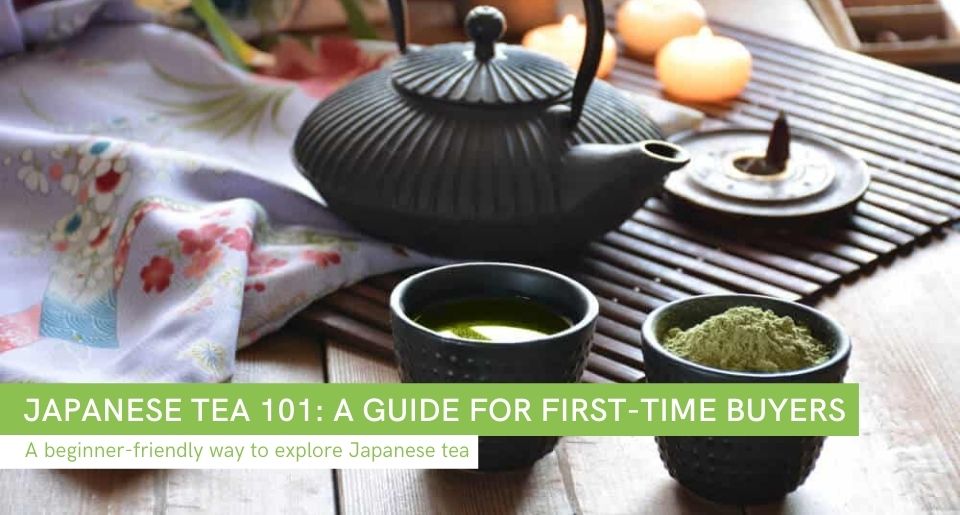
Let’s be honest for a second: shopping for Japanese tea can feel like you’ve wandered into a forest without a map. It’s beautiful, sure, but also a little overwhelming. You’re staring at fifty shades of green powder, leaves that look like pine needles, and price tags that range from "pocket change" to "fancy dinner." It’s easy to feel like you need a botany degree just to buy a box of tea bags.
But here is the secret: it’s not actually that complicated. Teatime should be one of the most relaxing parts of your day, not a homework assignment. You don’t need to be a tea master to enjoy this stuff; you just need a little orientation and a willingness to taste something new. We’ve put together this laid-back guide to help you figure out what you’ll actually like, from the grassy classics to the cozy roasted brews.
Why the 'Flush' Actually Makes a Difference
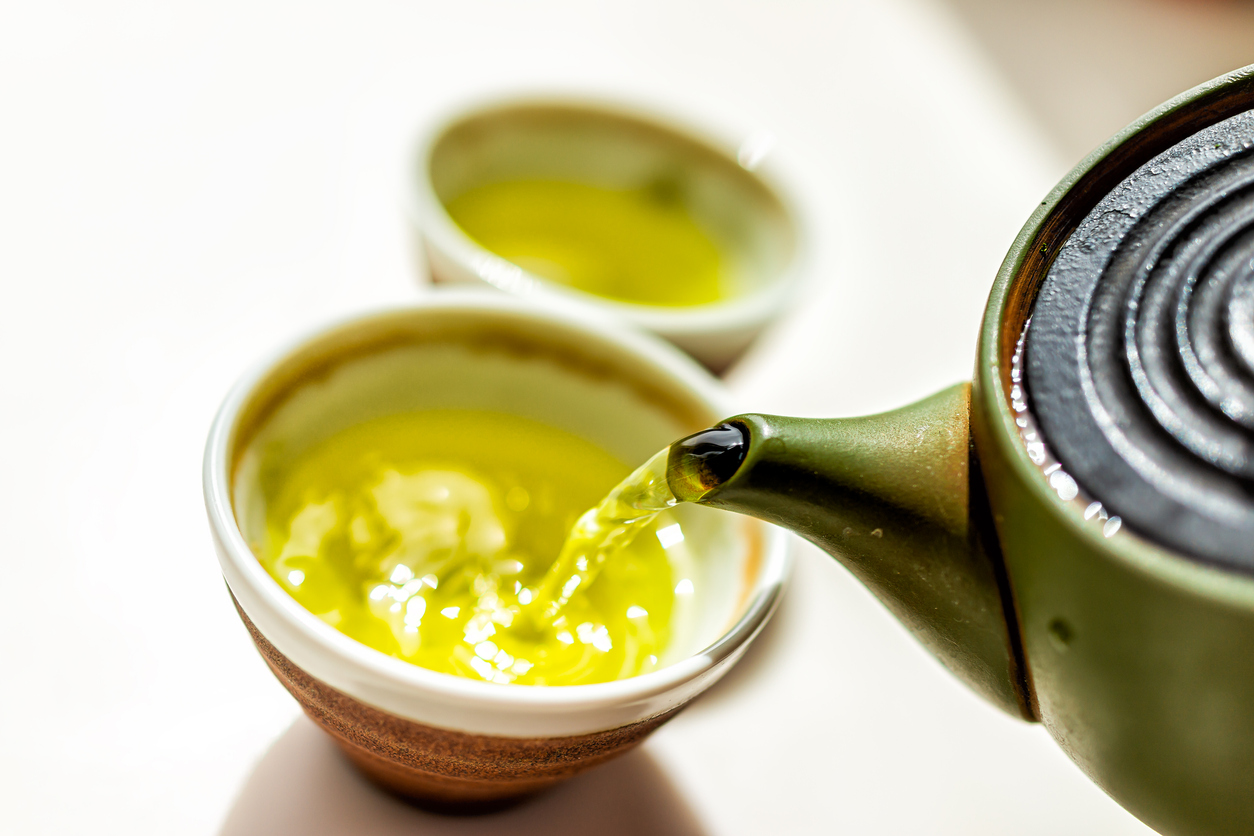
Before you even pick a tea type, there is one detail on the label that tells you more about flavor than anything else: the "flush" or harvest time. Think of it like fresh vegetables. The very first harvest of spring is called shincha (literally "new tea"). These baby leaves are packed with nutrients after sleeping all winter, which makes the tea taste sweet, fresh, and lively rather than bitter. If you want that premium, bright green hit, always look for "First Flush" or "Shincha" on the listing.
Later harvests, often called bancha, use leaves that have been in the sun longer. They are a bit tougher and have a bolder, earthier flavor. While they aren't as delicate as the spring leaves, they are fantastic for roasted teas or blends because they have a relaxed, sturdy character that stands up well to heat.
The Classics: Sencha and Gyokuro
If you want the quintessential Japanese experience, you start with sencha. Most sencha is made from first or second flush leaves, which gives it that fresh, balanced character. This is the daily driver of Japan—steamed, rolled, and dried into thin needles. A good sencha strikes a perfect balance between grassy sweetness and a refreshing, palate-cleansing astringency. For a great introduction, check out the Iyemon Cha series by Ujinotsuyu. It’s a classic representation of Uji tea culture, offering that distinct balance of aroma and depth without being too fussy to brew.
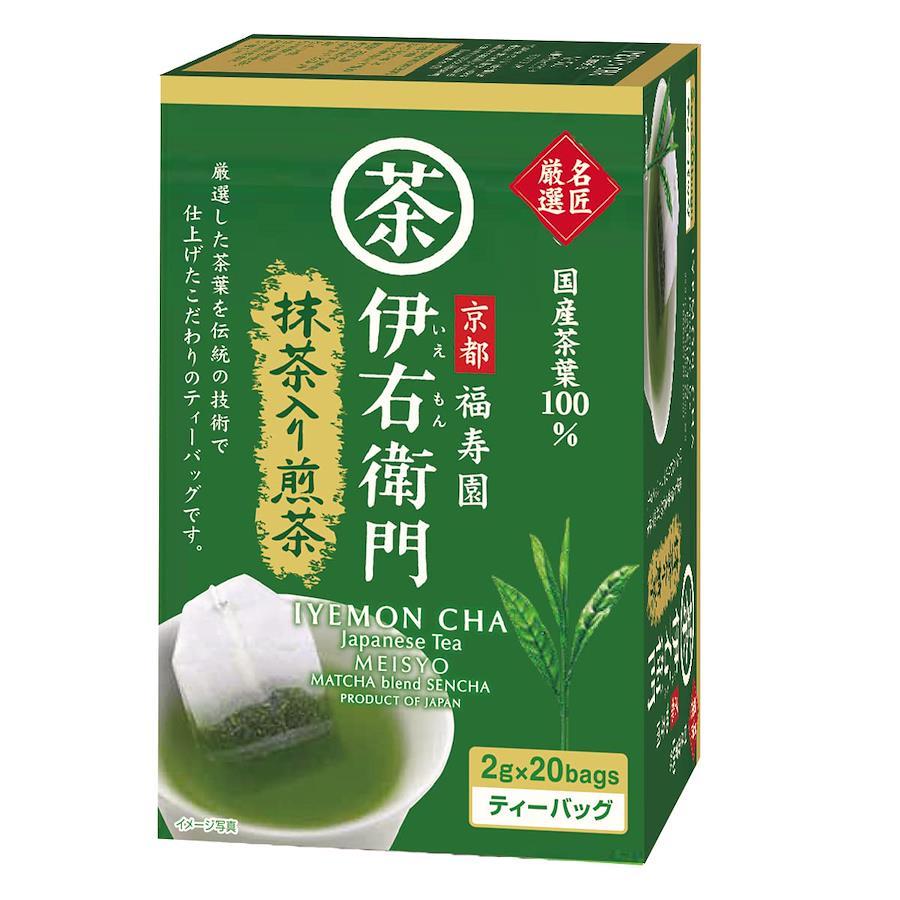
Uji no Tsuyu Iyemon Master’s Choice Sencha with Matcha
If you are looking to treat yourself to a higher tier, you should check out gyokuro. It’s typically made from early first-flush leaves, which are then shaded before harvest to deepen flavor. This is the "fancy stuff." Farmers shade these bushes from the sun for weeks before harvest, which forces the plant to pump out savory amino acids. The result is a tea that is thick, rich, and bursting with umami—almost like a savory broth. You can start with Yame Gyokuro. The Yame region in Fukuoka is famous for producing Gyokuro with an incredibly deep, rich sweetness that feels like a luxury experience in a cup.
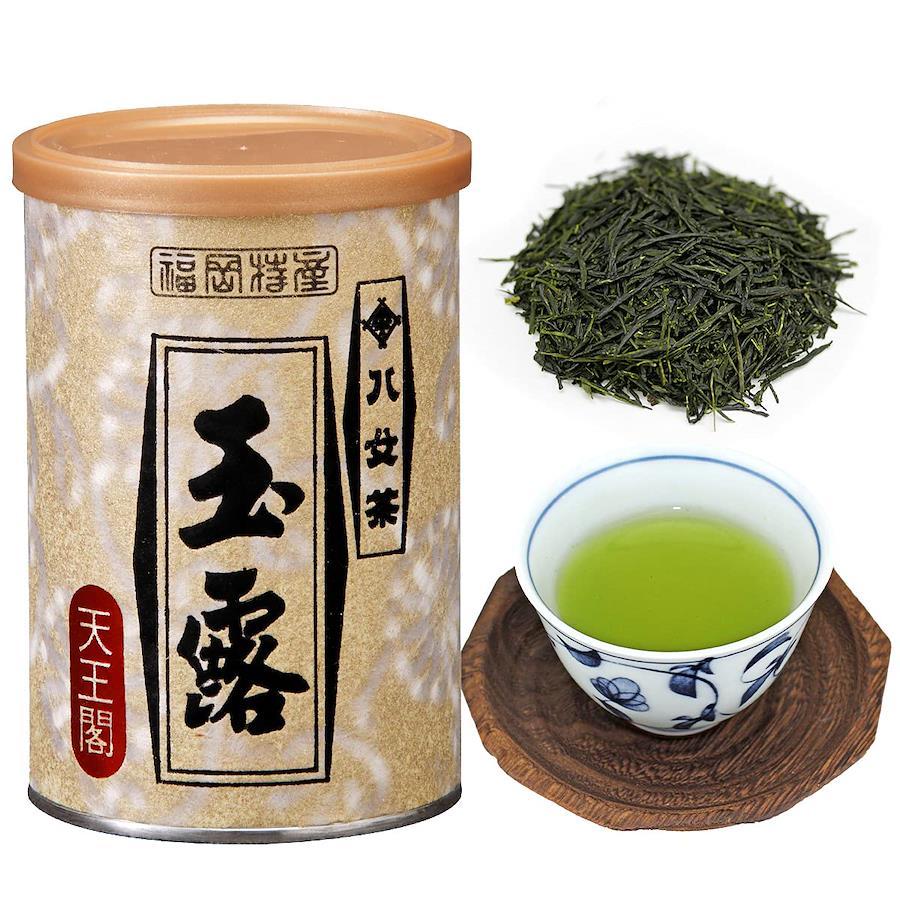
Premium Yame Gyokuro Tennokaku
The Comfort Teas: Genmaicha and Hojicha
Maybe the idea of "grassy" tea sounds a bit too intense for you. That is completely fine, and that is exactly why genmaicha exists. Instead of relying on ultra-fresh spring leaves, genmaicha uses sturdier, later-harvest tea that can stand up to roasting and blending. It’s a blend of green tea mixed with roasted brown rice (which sometimes pops like tiny popcorn). The rice adds a warm, nutty, toast-like aroma that smooths out any sharp edges. It is hands-down the friendliest tea for beginners. We recommend trying Genmaicha with Matcha. This one is special because they dust the tea with a little matcha powder, giving you that vibrant green color and the cozy, toasty flavor of the rice.
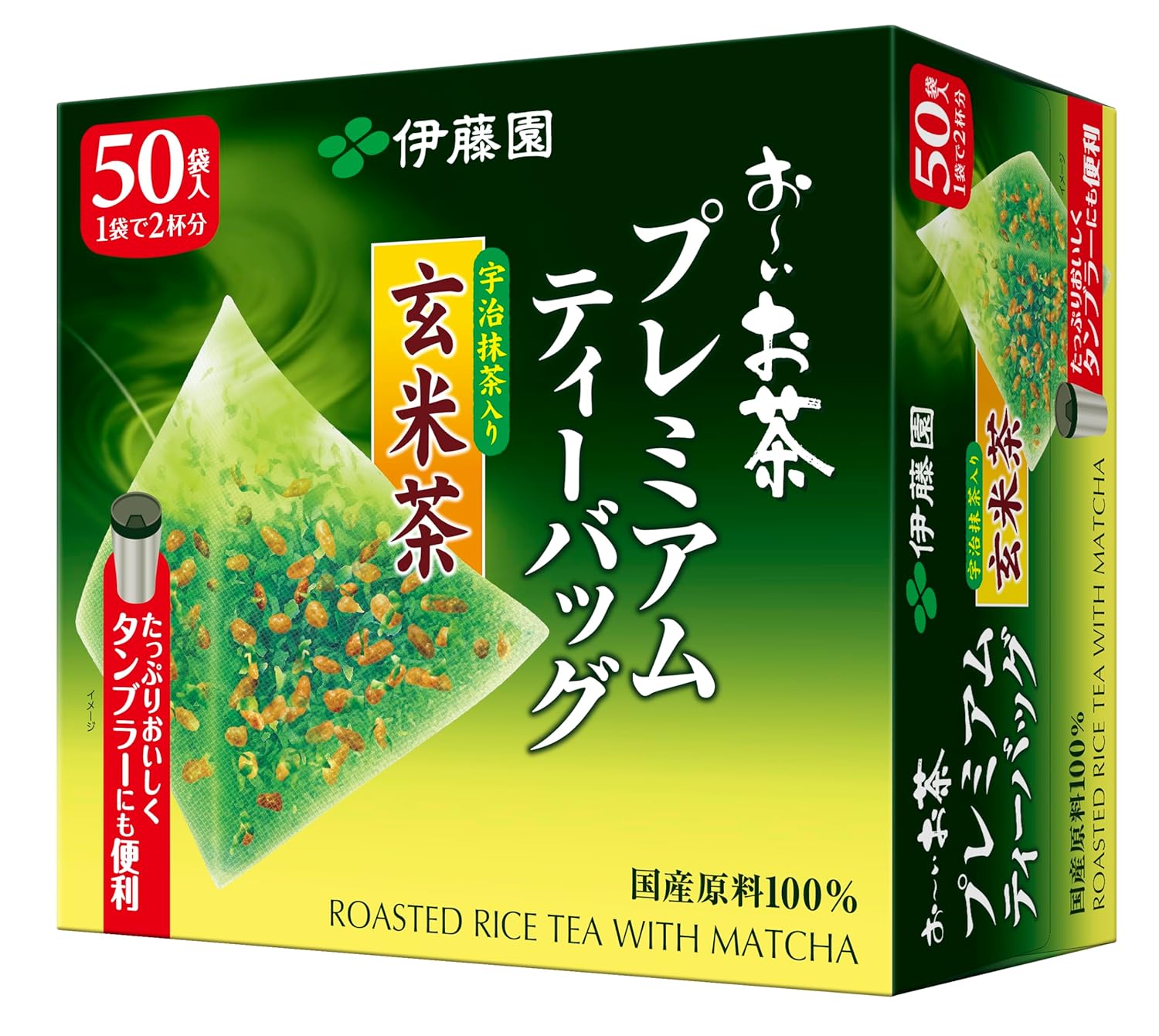
Ito En’s Premium Genmaicha with Matcha
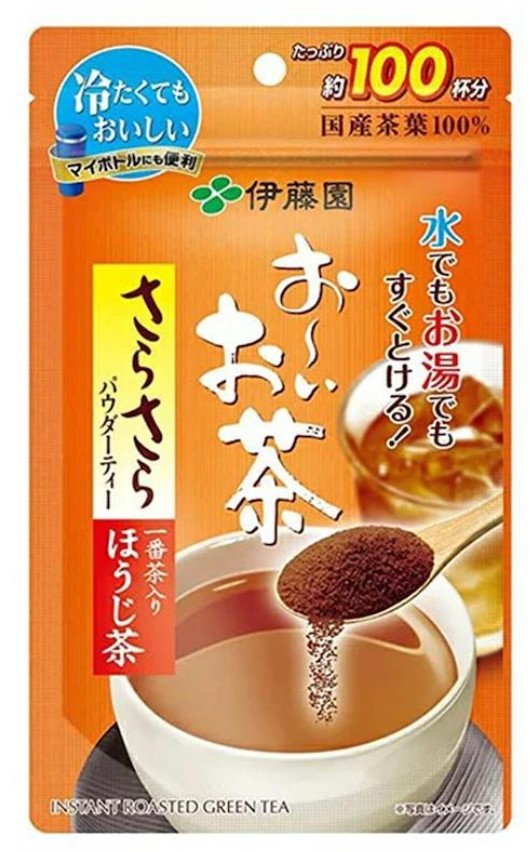
Then there is hojicha. This one confuses people because it’s brown, not green, but it is Japanese green tea—it’s just been roasted over high heat. Hojicha is made from tougher, more mature leaves, the kind that can handle intense roasting without turning bitter. The roasting caramelizes the leaf, creating flavors of cocoa, caramel, and toast while burning off the caffeine. It’s the perfect evening tea. You can find excellent hojicha from regions like Uji or Kagoshima here on ZenPlus. You can also try Ito En’s hojicha, which offers a toasty, caramel-like sweetness with low caffeine content and a smooth, nutty finish.
The Bold and The Unique: Matcha and Kukicha
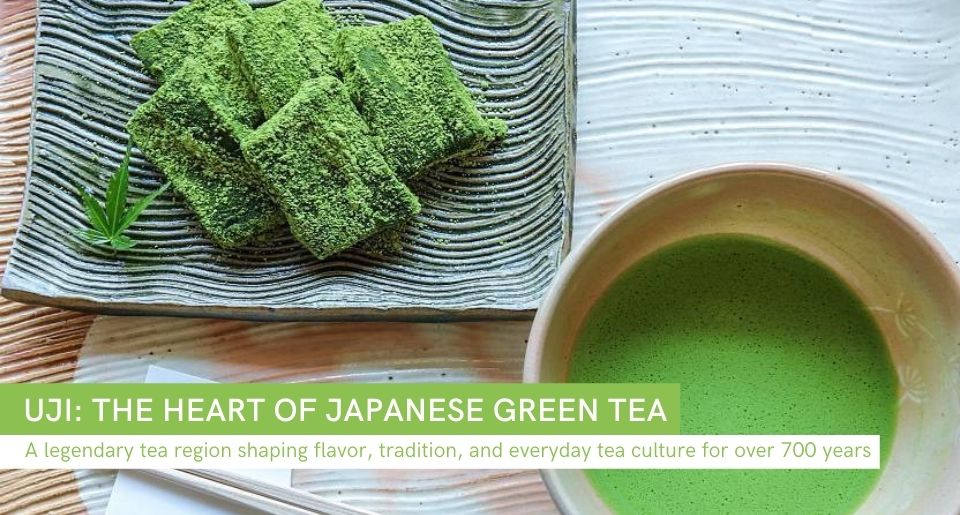
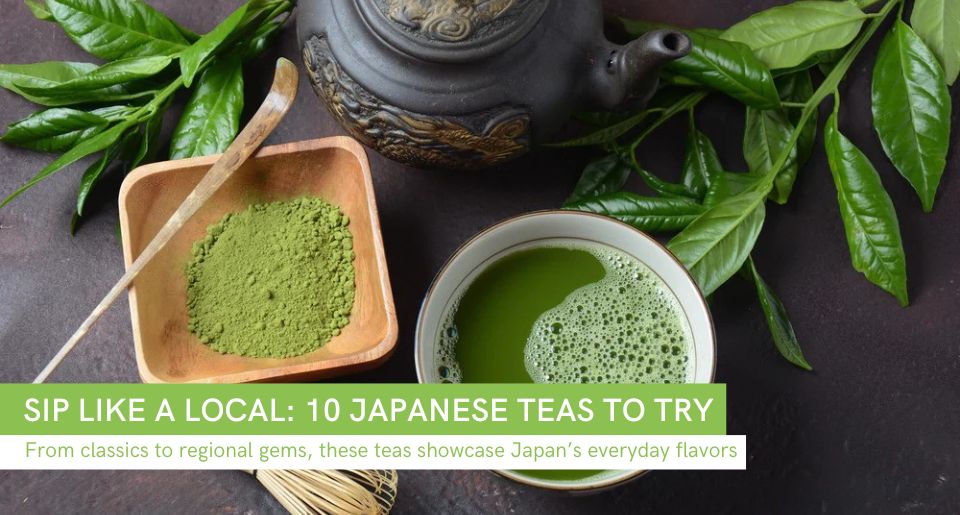
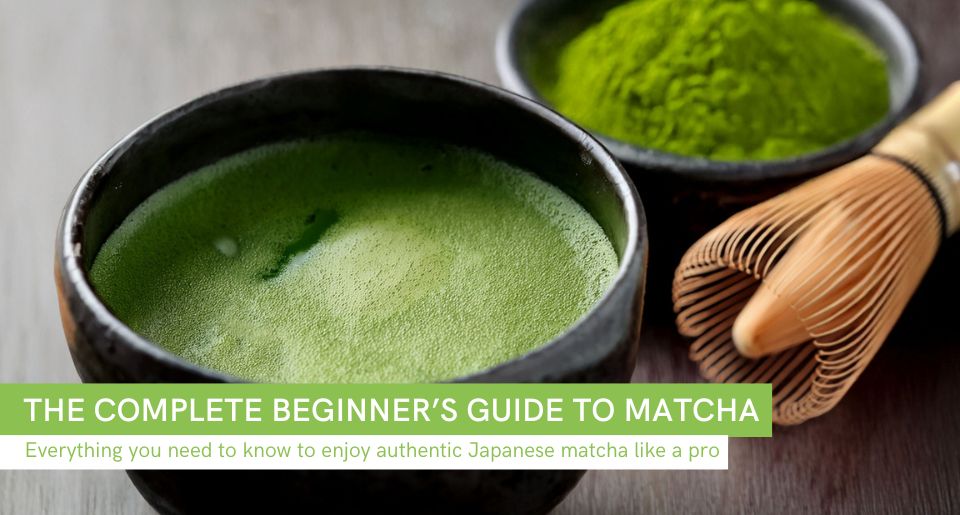
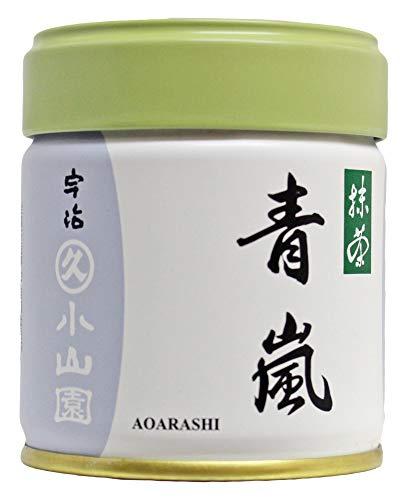
You’ve definitely seen matcha before. Those deep green leaves are grown in the shade and picked early in the season, locking in sweetness and umami. Since you are whisking the powder into water and drinking the whole leaf, the flavor is intense, creamy, and deeply savory. ZenPlus carries the legendary Marukyu Koyamaen brand from Kyoto. Their high grades are fantastic entry points—high enough quality to drink plain, but affordable enough to use in a latte.
Finally, if you want a hidden gem that fits a budget, look for kukicha (or karigane). This tea uses the stems and stalks of the plant, often collected during sencha and gyokuro production. The stems hold a ton of natural sweetness and very little bitterness. If you see a karigane from Uji, grab it—it’s often made from the stems of high-grade shaded tea, giving you a premium taste for a fraction of the price.
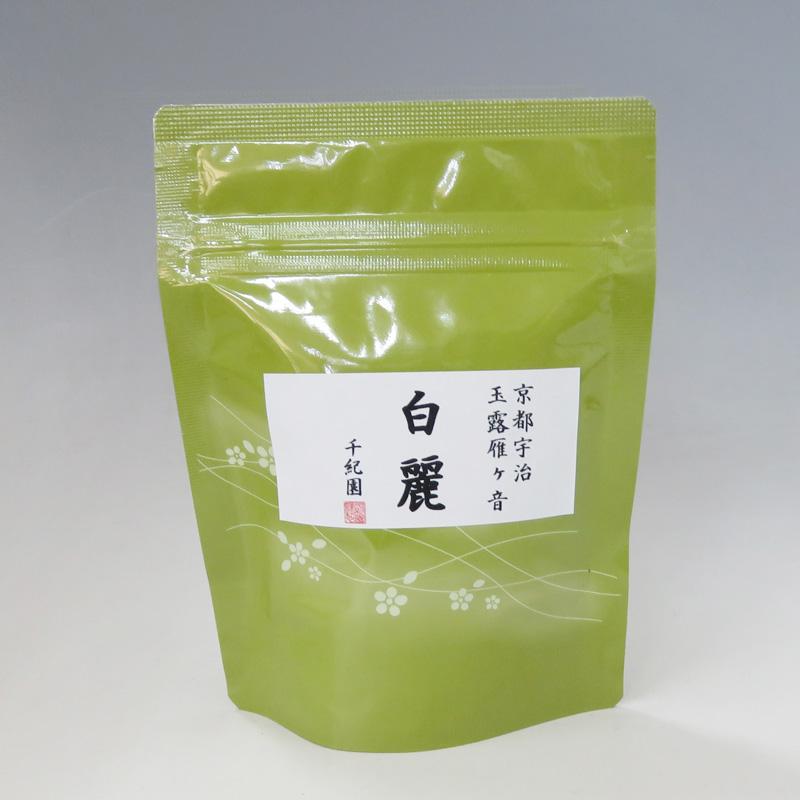
Senkien’s Uji Mini Gyokuro Karigane “Hakurei”
How to Shop Like a Pro (Without Being a Tea Master!)
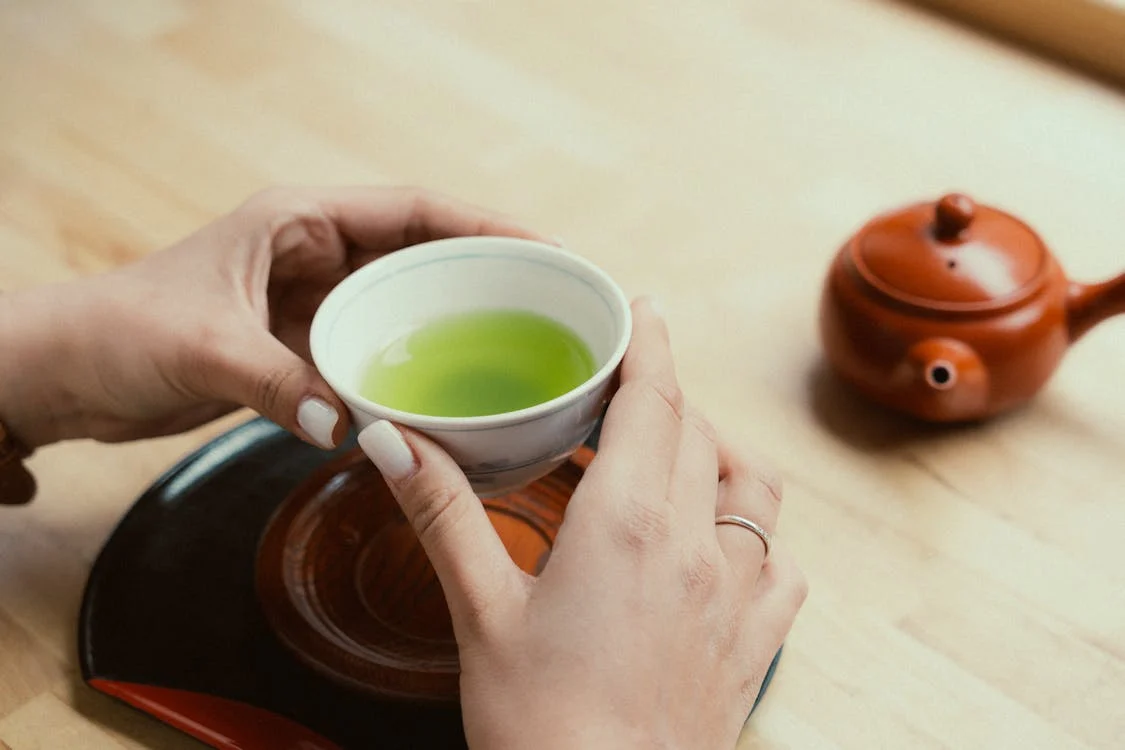
When you’re ready to buy, focus on a few key things instead of getting overwhelmed by fancy packaging or jargon.
First, check the harvest: seeing "first flush" or shincha is a major green flag, signaling bright, fresh flavor—especially for sencha and gyokuro. Second, look for the origin: regions like Uji, Yame, Shizuoka, and Kagoshima are reputable names that tell you the tea has a strong pedigree. These regions didn't get famous by accident!
But here’s the most important rule: don’t buy the "premium" tea if you don't actually like the style. If you crave light, easygoing flavors, genmaicha or hojicha are perfect. If you want depth and complexity, then absolutely try gyokuro or matcha. Honestly, forget the marketing hype; a mid-range sencha or genmaicha you genuinely enjoy will always be better than an expensive, "limited edition" tea that sits in your cupboard untouched. Focus on what you prefer to taste.
Your Choice? Let Taste Do the Talking
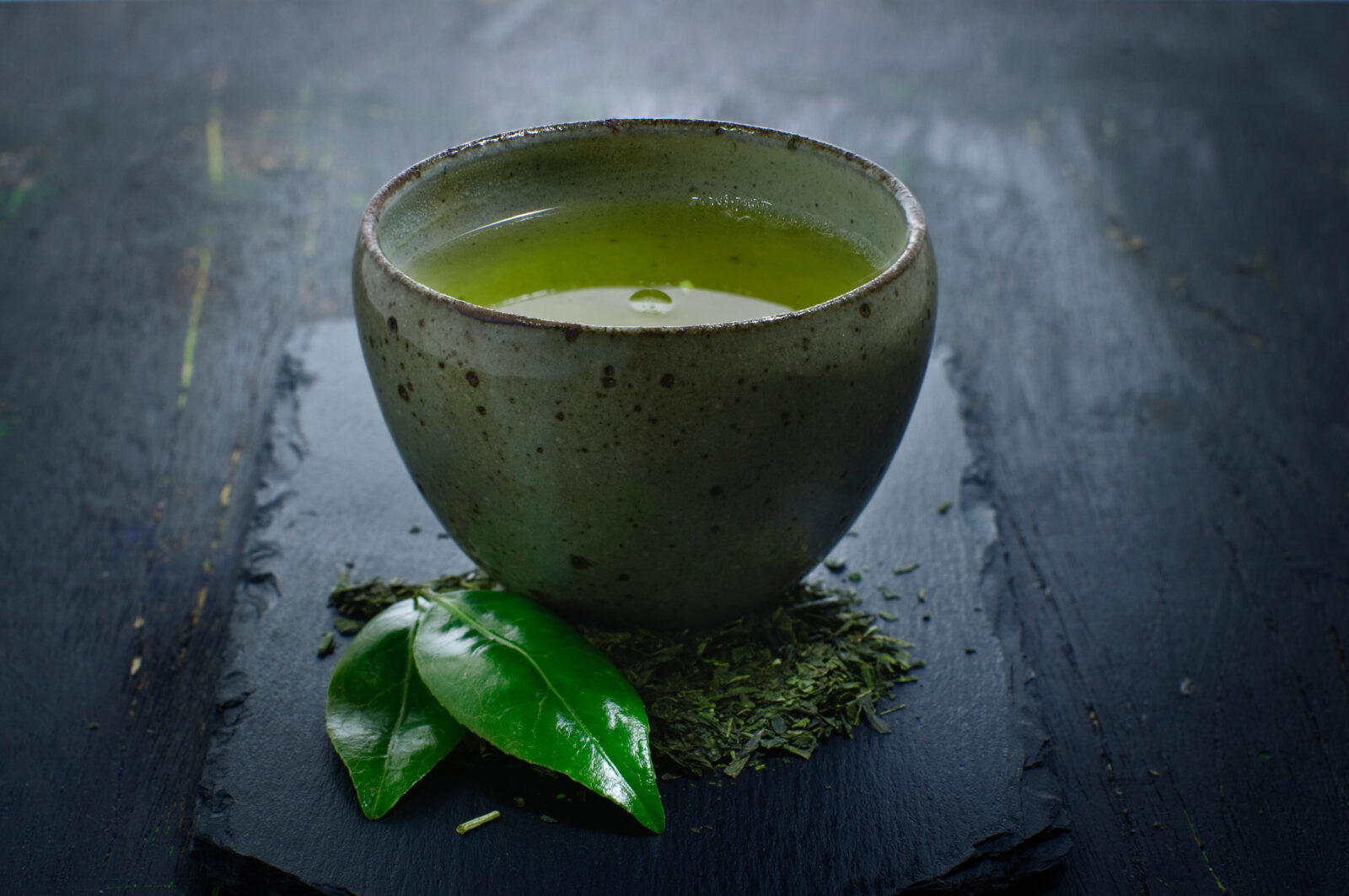
Japanese tea doesn’t need to be complicated or exclusive. What matters most is what tastes good to you. If you begin with teas that feel accessible—like sencha, genmaicha, or hojicha—you’ll quickly build a sense of what you like. From there, go deeper: try gyokuro for complexity, matcha for boldness, or kukicha for subtle softness.
ZenPlus makes it easy by offering a wide selection from trusted tea-growing regions—whether you want a fresh first-flush sencha from Shizuoka, a smooth gyokuro from Uji, or a comforting hojicha for nights in. So grab a bag, steep simply, and sip slowly—taste what you like and enjoy the journey.
What do you think?
Which Japanese tea are you curious to try first — bright sencha, roasted hojicha, or sweet gyokuro?
Have you ever experienced a first-flush shincha? How did it taste compared to other teas?
Do you prefer mellow, comforting blends like genmaicha, or bold, umami-forward teas like gyokuro?
Let us know in the comments or hit us up on social media: X (formerly Twitter), Instagram, Facebook! We’d love to hear which tea won your heart.
ZenPlus is your one-stop shop for authentic Japanese goods—whether it’s premium tea, teaware, snacks, or even anime merch straight from Japan. Check out our marketplace to order these and get them shipped right to your doorstep!
About the Writer
Cristy is a freelance artist and writer who has been obsessed with anime and manga since childhood. Her love for these imaginative worlds fuels her creative endeavors, and she shows no signs of stopping anytime soon.