Translating description...
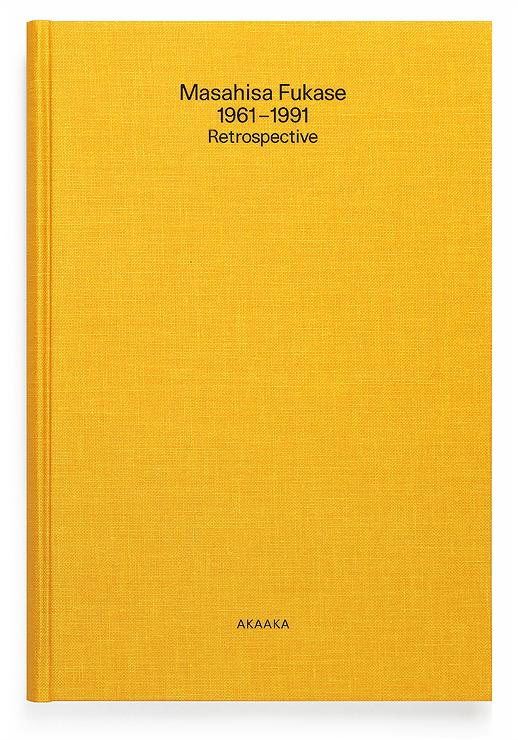
Masahisa Fukase 1961-1991 Retrospective
"I never think that I can capture a certain subject by taking a photograph of it. What is important for me is how deeply I can enter into it, and to what degree I can cause it to reflect me. I want the very act of looking through the viewfinder to be a flesh-and-blood action... I strongly feel that photography can be freer, more open. I believe it is possible to relate to it in a way that encompasses my entire being."
Masahisa Fukase, 1969
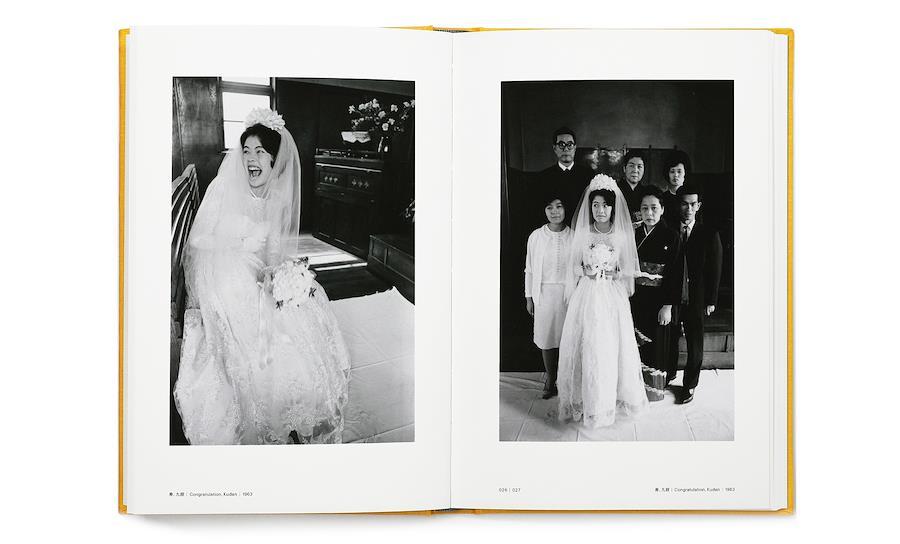
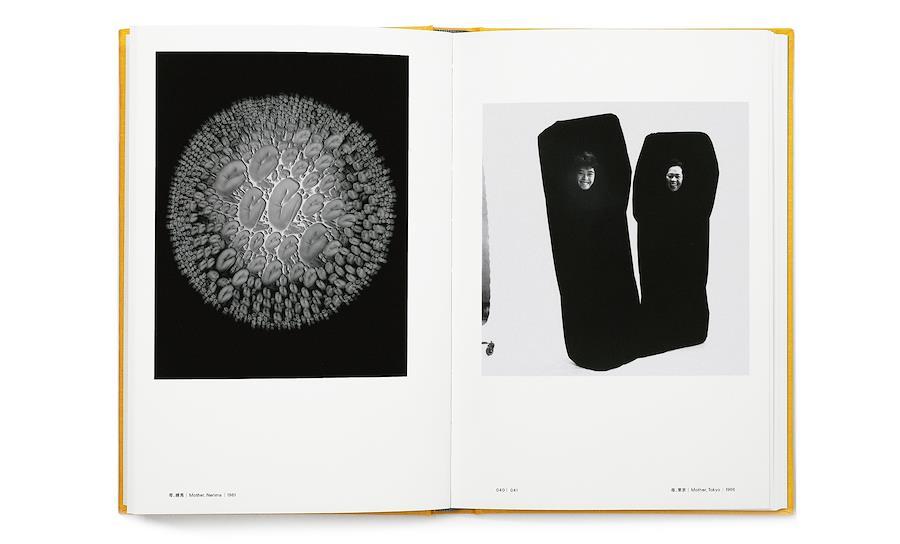
By focusing intently on his personal life, Masahisa Fukase carved out a unique place for himself in the history of Japanese photography in the 1960s. While exploring the origins of photography, Fukase developed a major practice among a group of artists associated with what later came to be known as shi-shashin ("I-photography").
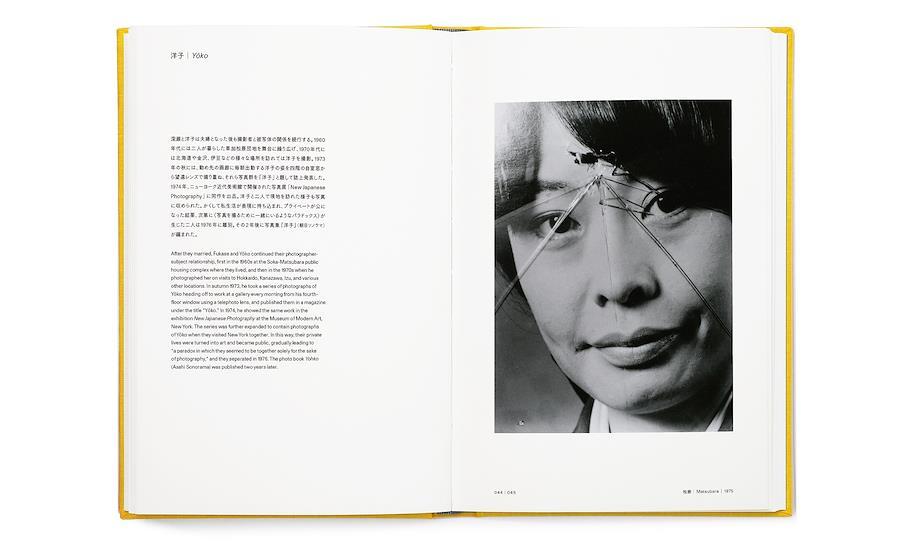
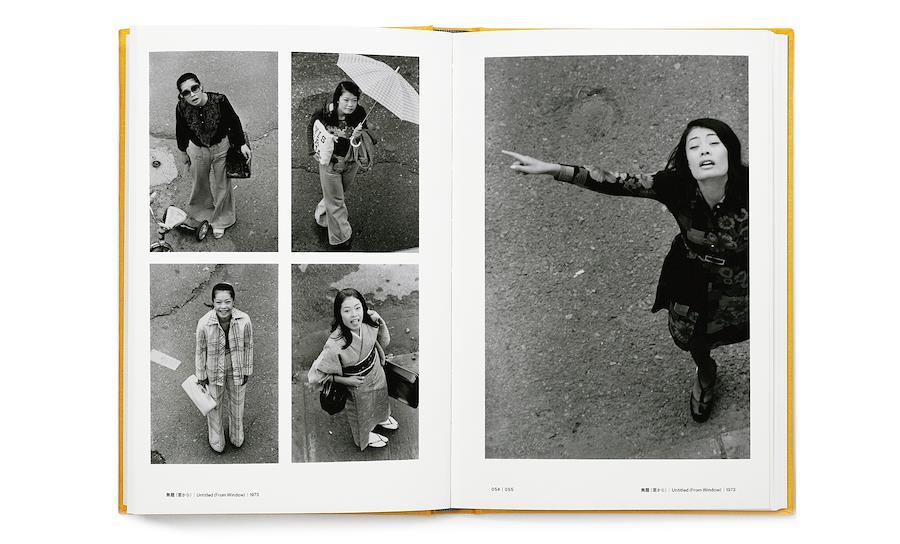
Fukase pointed his camera at those in his immediate surroundings, including his wife and family; and while exposing his own private life, he consciously explored the madness that lay deep within himself. This madness led to remarkable and unparalleled works that combined Fukase's loving gaze for his subjects with his carefree sense of humor.
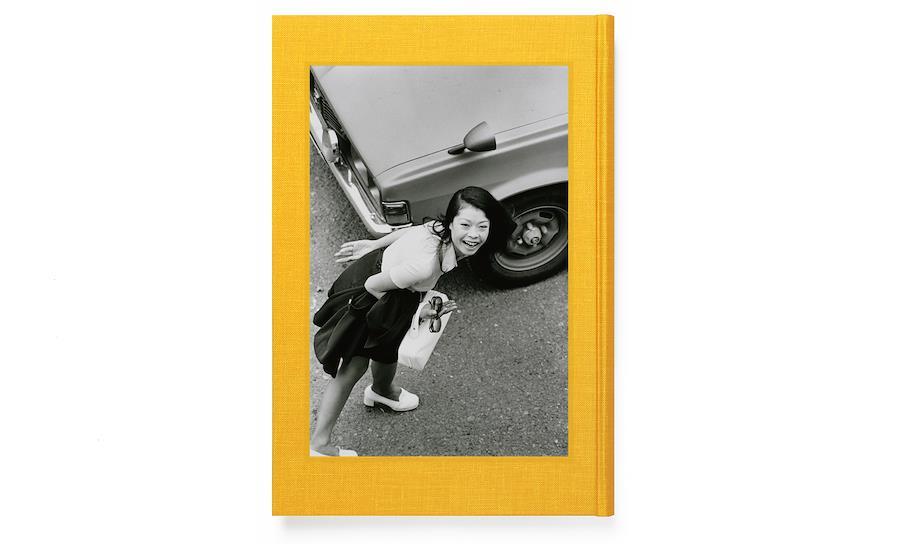
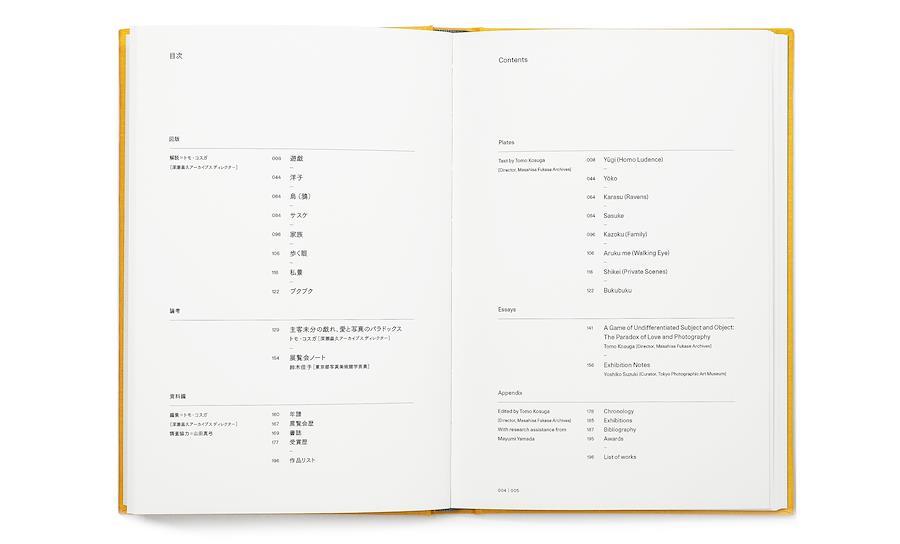
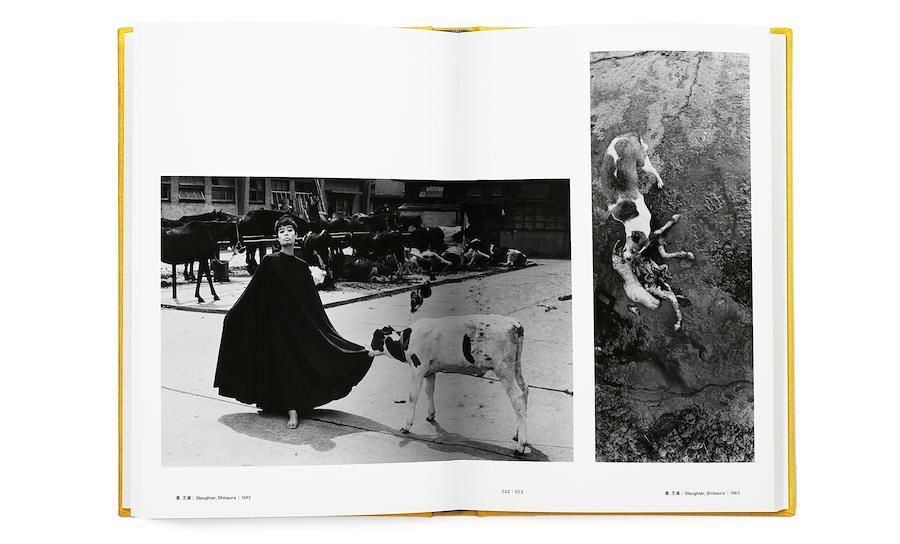
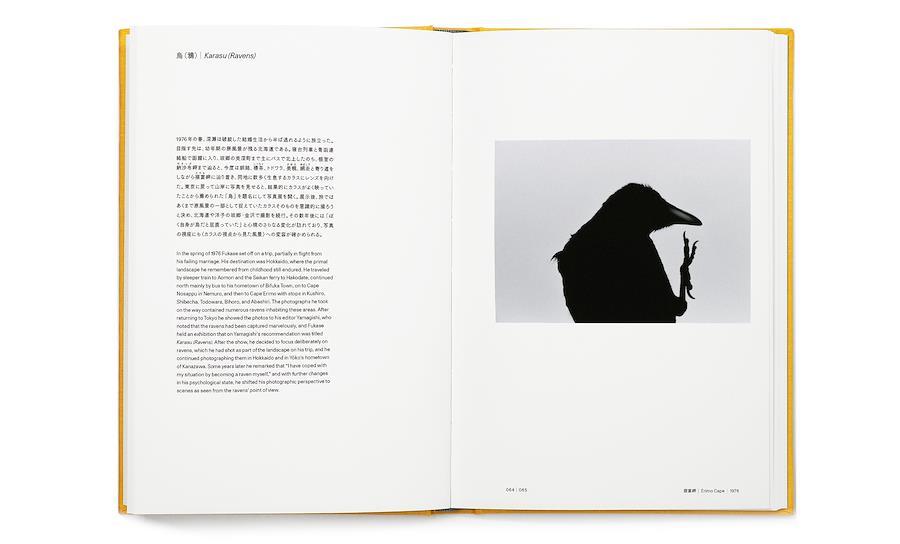
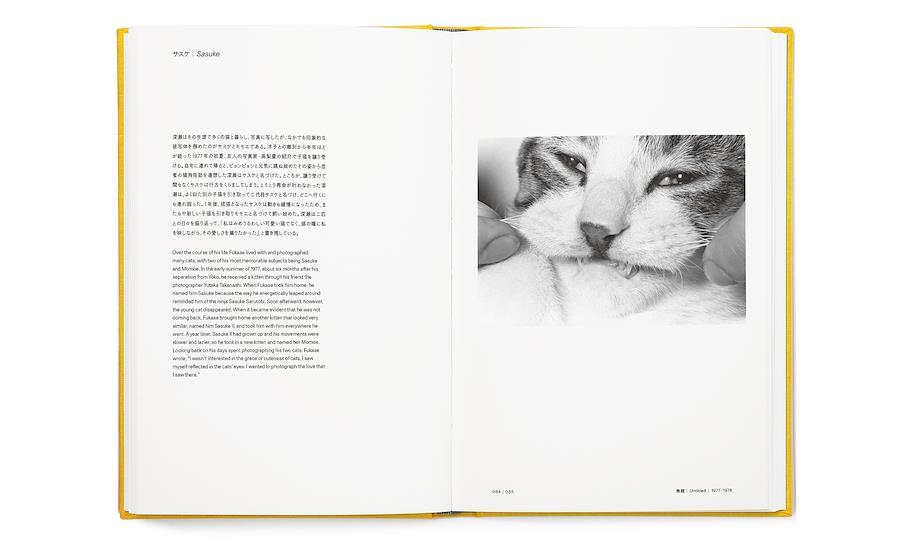
This book "Masahisa Fukase 1961-1991 Retrospective" boasts a substantial assemblage of works, including major Fukase works, such as "Yūgi (Homo Ludence)", "Yōko", "Karasu (Ravens)", "Sasuke", "Kazoku (Family)", and "Bukubuku".
----------
Fukase said his work "always comes from things around me, things I can touch with my hands," he "saw myself reflected in the (subjects') eyes (and) wanted to photograph the love that I saw there." He sought to convey "the multilayered nature of existence" in a single photograph by endeavoring to capture "a reflection of myself," but as photographs do not reveal the photographer's true intentions as well as words do, even when this practice was an expression of love, he repeatedly encountered "the paradox of being together for the sake of photography. However, Fukase was evidently confronted with the paradox of a love-hate relationship with photography since he was a child, long before he mastered language. " [...]
Most of the things that Fukase spent his life gazing at were familiar parts of his surroundings. In other words, while he engaged with the kinds of subjects that anyone could easily shoot on the spur of the moment, there is a definitive essence to his photographs, and it is this essence, of heartrending earnestness, that made Masahisa Fukase the photographer he was.
Fukase was a photographer with vision and willingness to experiment, who applied an extraordinary sensibility when he took photographs. He took them as if he were touching and stroking his subjects, as people do with their smartphones today, rather than observing them through a camera, and in the current era when posing with oneself in the scene has become commonplace, we can empathize all the more with the perspectives and sensibility expressed throughout his oeuvre, and even get to the primal roots of what people enjoy about photography. Fukase's work was never lost to the past, but was playing a long game with photography that extended far into the future, when we would finally catch up with it.
| 產品 # |
86541-166-9 |
| 重量 |
600 g |
| 商品包裝尺寸 |
15 x 2 x 22 cm |
誰營運ZenPlus?
ZenPlus由位於大阪的日本公司ZenGroup營運。
售賣的商品是否100%正貨?
根據商舖的規約,商舖有責任確保所有上架貨品均為正貨。故此,敝平台會以所有已上架貨品均為正貨的前提下營運。
萬一收到懷疑非正貨的商品,請傳送有關商品的照片及影像,並附上詳細說明予我們的客戶支援團隊。
ZenPlus可以寄往甚麼國家?
我們可以把商品運送到世界任何國家。不過,送貨地區亦可能基於最新的禁運品條款及/或當前的各種國際局勢而受影響。敬請諒解。
會產生關稅嗎?
關稅取決於包裹的物品種類及申報價值。故此有關包裹會否產生關稅與產生的稅率,將根據包裹輸入的國家或地區而定。
我們的服務不包含關稅和進口稅;所以如果所在地區的海關對您的包裹收取費用,您需要自行支付這些費用。
故此,請務必事前確認包裹物品於送貨地區的入口規例。如包裹將送往香港,可參閱
香港海關的應課稅品總覽頁。
如何計算運費?
運費根據包裹的大小、重量及目的地來計算。在加入商品到購物車並確認訂單時,運費會根據送貨方式即時顯示。故請前往結帳頁面直接確認。
下訂單起計,送貨需要多久?
送貨時間將受商品的庫存情況及國際局勢而受影響,但一般會於4天至兩星期左右從日本送出商品。
※商品需調貨或製造商缺貨等情況下,可能需更長時間。