
When a person requiring nursing care experiences cognitive decline or other issues, leading to decreased function and impaired judgment, problematic behaviors such as removing diapers or pulling out IVs may occur.
In some cases, nursing mittens are used to address these problematic behaviors.
Nursing mittens are shaped to cover all five fingers and the palms of the hands.
They are secured with hook-and-loop fasteners or strings at the wrists, designed to make it difficult for the person to remove them on their own.
Mesh material nursing mittens are breathable, making them comfortable even during seasons when sweating is likely.
If the person sweats, it is advisable to change the mittens frequently.
Nursing mittens are not intended to suppress the actions of the person requiring care.
They should be used with the understanding that they are meant to prevent danger.
When a person removes their own paper diaper, their pajamas and bedding can become soiled.
If the skin is soiled with excrement, it can cause dermatitis or skin abrasions.
Caregivers need to consider why the person is removing their diaper.
They are used to protect against dangers such as pulling out tubes, scratching, or removing diapers.
When the caregiver's eyes are on the person, it is best to refrain from using nursing mittens as much as possible and to create time for the hands to move freely.
Inserting the hand into the diaper and kneading the stool or smearing it on the bed or wall is called "rōben" (soiling).
This behavior is said to be caused by discomfort from a dirty diaper.
Rōben not only makes maintaining cleanliness difficult but also poses a risk of the person putting their dirty hands or feces into their mouth.
As cognitive decline progresses, it becomes difficult to suppress emotions, and problematic behaviors such as scratching or hitting may appear.
Scratches can lead to bacterial infections or other complications.
Additionally, it is to prevent injuries to the caregiver.
Removing medical tubes or devices can be life-threatening in some cases.
Pulling them out may be caused by discomfort from the tubes, itching, or pain.
In addition to addressing these causes, using nursing mittens is recommended.
Behaviors such as pulling out or scratching tubes often cause trouble for caregivers.
However, it is important to understand that these behaviors are caused by various factors.
While eliminating the causes of the behaviors, use nursing mittens.
Until about 20 to 30 years ago, knowledge about cognitive decline (then called dementia) was scarce throughout society, and in some cases, people believed "once they go senile, they cannot understand anything," leading to inhumane treatment of those with cognitive decline.
However, nowadays, even if a person develops cognitive decline, their right to continue social life with appropriate support is guaranteed.
People with cognitive decline were active members of society, supporting their families and raising children before their symptoms appeared.
Instead of focusing only on "they can no longer do this" or "they do not understand that," it is important to recognize their unchanging essence and provide necessary support at each moment through collaboration among medical, nursing, welfare, community, and family sectors.
Caregivers should not treat people with cognitive decline as children, and should always aim to provide care that they would want if they themselves became cognitively impaired.
Everyone ages.
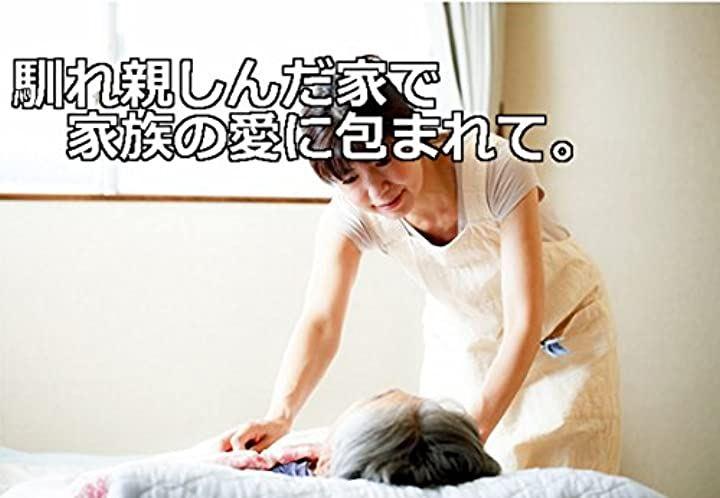
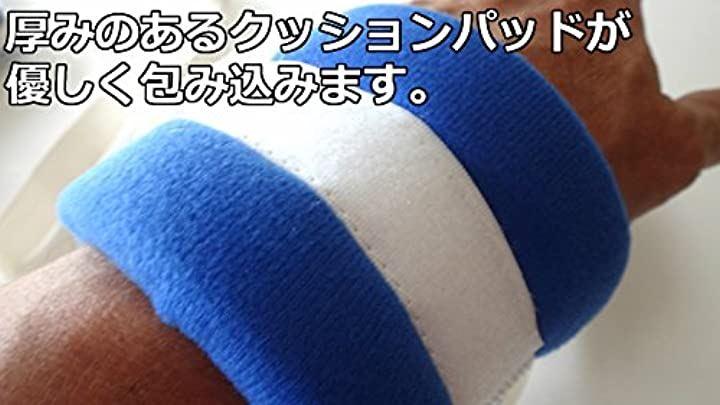
The difficulties of caring for an aging society, and the gentle protection using soft materials that consider the elderly's perspective, even a little.
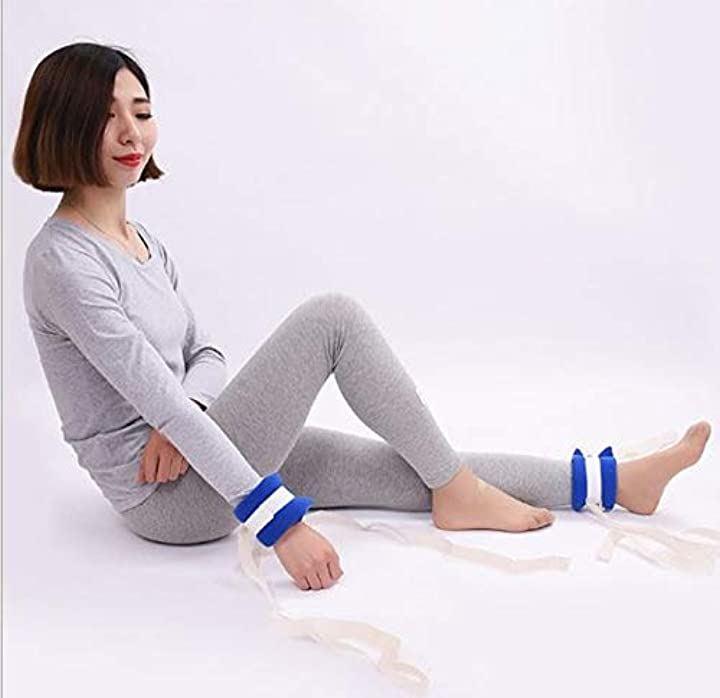
Unisex for hands and feet, set of two.
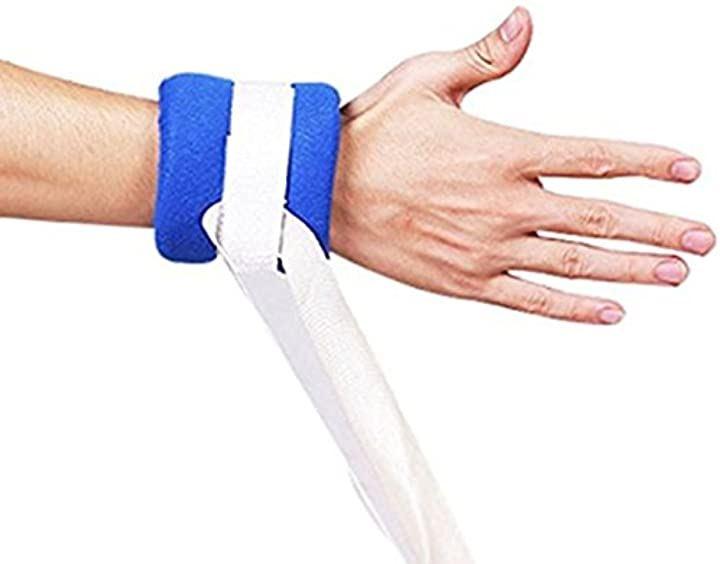
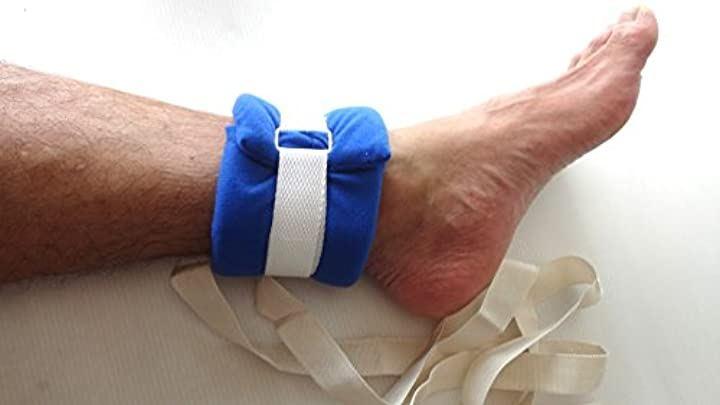
According to the "Guide to Zero Restraints," gloves that prevent finger movement are recognized as physical restraints, but this product is designed so that fingers can move freely and hand sensation is maintained.
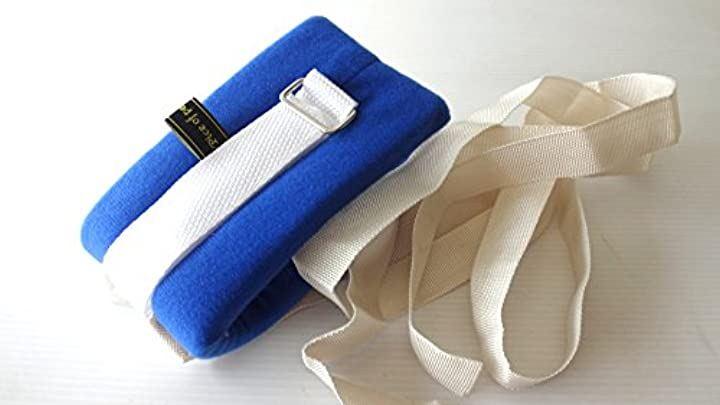
Protective belts are not万能, but they prevent many nuisance behaviors and reduce the burden on caregivers.
Gently protecting the hands of important persons when they may scratch their body with fingers or nails, or remove diapers or catheters.
Size approximately 30 x 8 x 2 cm, with a fixed strap about 190 cm, free size.
Antibacterial and deodorizing processing.
2024/08/09 17:24:50#e328931f81c201a7a8ea416774198584fd9ab39b
| Product # | 2B88O56LYI |
|---|---|
| Specifications |
色: 保護ベルト |
You don't need to be in Japan to shop here. Sign up for a free account on ZenPlus now and enjoy buying and shipping to over a hundred countries, directly from Japanese online stores. You can ship your items internationally through JP Post (EMS, Airmail), UPS, DHL, FedEx, and other services. Get all the hottest items from Japan such as anime figures, Nendoroids, Nintendo and other video games, Hello Kitty and other kawaii plushies, fishing tackle, Japanese street fashion, Seiko and other watches from Japan, ramen and other Japanese foods, idol merchandise, and much, much more!
We work directly with Japanese shops registered with ZenPlus, so all internal processes are faster and more efficient - the result is a swift and affordable service, ready for you when you need it most. You have instant access to over 1,000 stores in Japan with just one click! Shop just as if you were in Japan, without spending a fortune. We'll get you the best deal possible from a vast collection of items from Japan. Join the ranks of people who prefer ZenPlus as their Japanese online marketplace.
We protect you, the buyer. Communication can be one of the biggest barriers when buying from Japan online, but it doesn't have to be that way. With ZenPlus, you are protected from many of the risks of international e-commerce: We'll take care of any questions, claims, and requests for the seller that you might have. We can provide a full refund if an item is not genuine, and a partial refund if it's not as promised. Feel free to ask us for more info about any of the items or shops on ZenPlus!