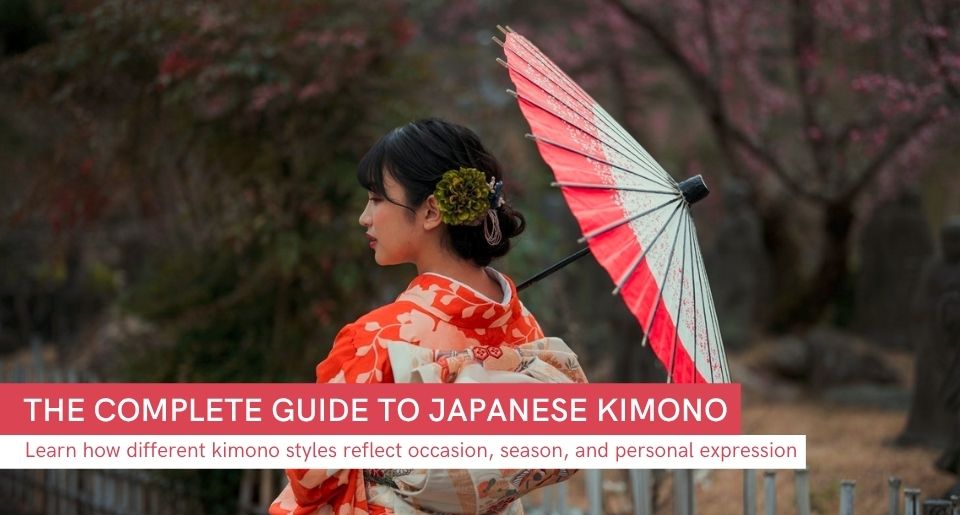
Some clothes are functional, some are fashionable, and some achieve both, carrying centuries of culture, tradition, and subtle beauty. The kimono fits into that last category.
The kimono is instantly recognizable, even if someone has never worn one. Straight lines, flowing sleeves, wrapped layers, and a carefully tied obi have made it one of the most recognizable items of clothing in Japanese culture. It seems elegant at first glance, but the more one learns about it, the more one realizes that the kimono is not just an elegant piece of clothing. It is a whole system of meaning, formality, tradition, and personal expression.
This is what makes the kimono special. It is not a single garment with a single purpose; it changes according to the occasion, season, wearer, and degree of formality. Some are worn to weddings and other ceremonial events, some to summer festivals, and some for women, others for men. Some are so casually made that they feel almost relaxed compared to the styles usually conceived as more formal.
In other words, the kimono is not merely "traditional clothing." It is conventional clothing with personality.
More Than One Kind of Kimono
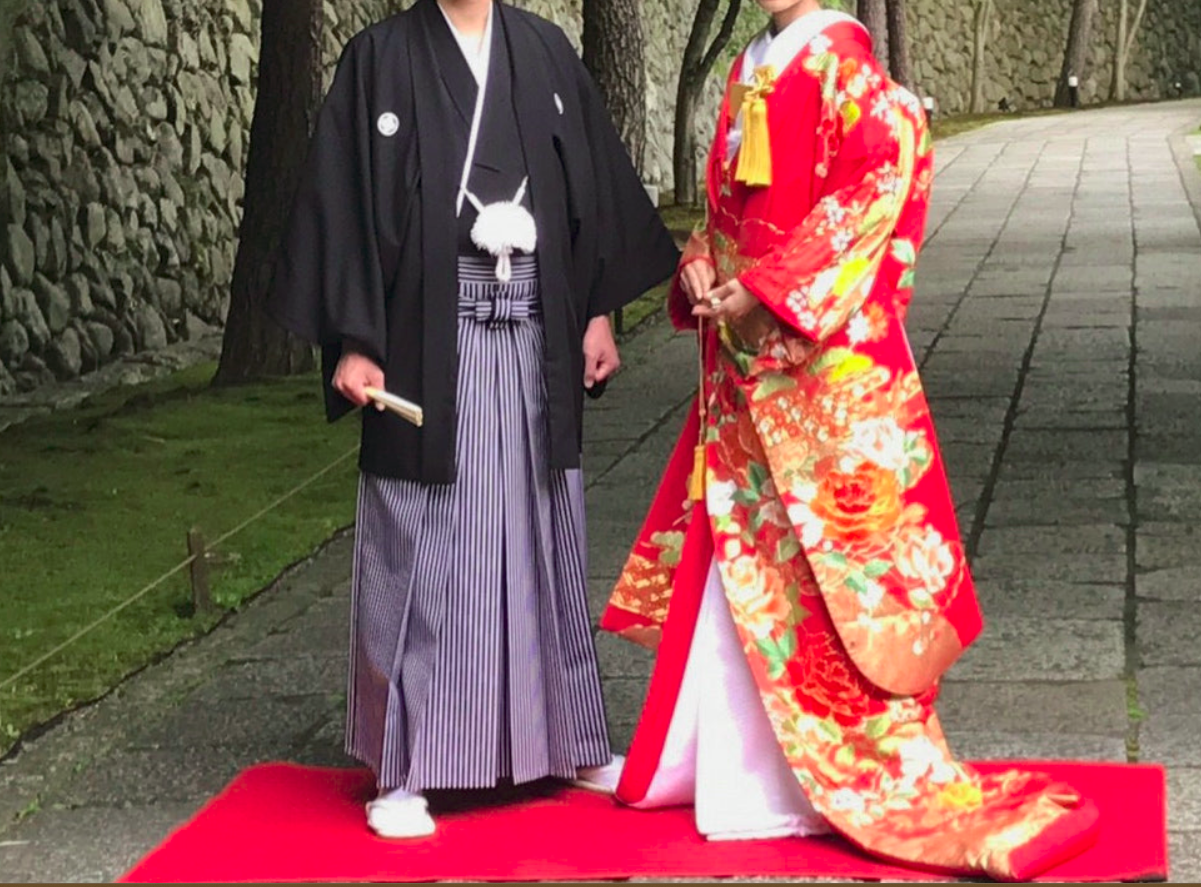
A couple poses in traditional Japanese wedding attire, featuring a formal black montsuki hakama and a vibrant red iro-uchikake.
A lot of people think of kimono as one general category, but there are actually many kinds. The style, sleeve length, fabric, colors, and patterns all help determine how formal the kimono is and who it is meant for.
That is why kimono can feel a little overwhelming at first. There are rules, and there is definitely a structure behind them. But once the different types start to make sense, the whole thing becomes much more interesting. It is almost like learning a visual language. A kimono can quietly tell people whether the wearer is attending a wedding, going to a festival, visiting someone, or simply enjoying a casual day out.
That mix of beauty and meaning is one of the reasons the kimono has lasted so long. They are not just decorative. They are communicative.
Formal Kimono for Women
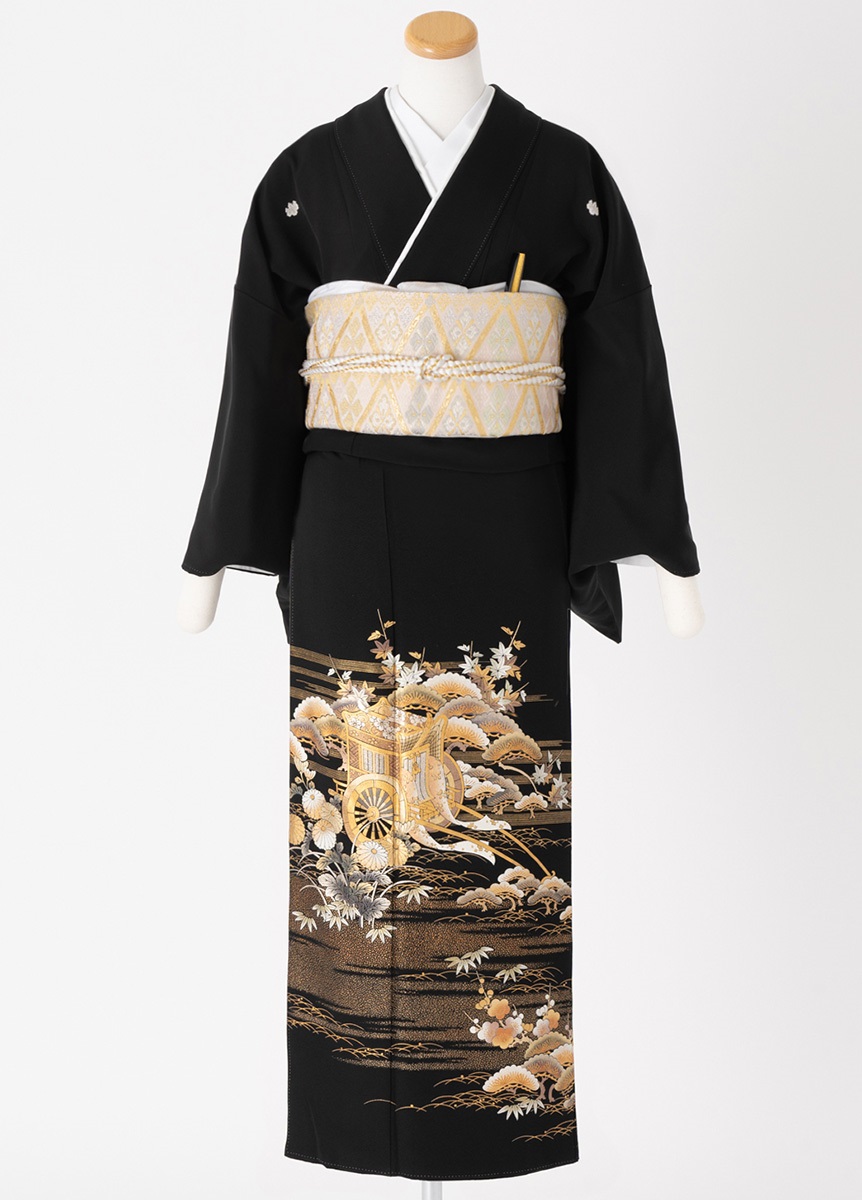
This elegant kurotomesode, the most formal kimono for married women, features a black base adorned with intricate gold patterns and traditional family crests.
Among the most formal kimono for women is the kurotomesode. This is a black kimono usually worn by married women, and it is one of the most elegant styles used for important occasions, especially weddings. It often features family crests and decorative designs placed below the waist, which creates a very refined and balanced look.
The kurotomesode has a quiet kind of beauty. It does not try to be loud or flashy. Instead, it relies on craftsmanship, balance, and dignity. That makes it especially appropriate for major ceremonies where the goal is to look graceful and respectful.
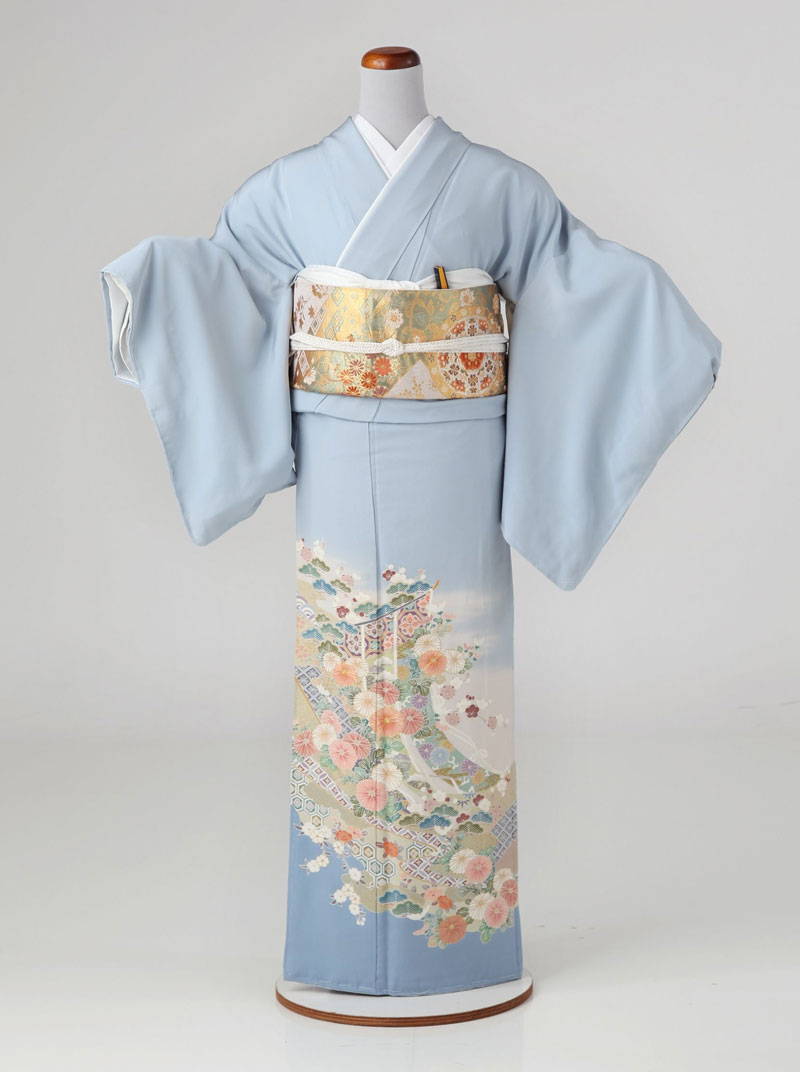
This light blue irotomesode is a high-ranking formal kimono featuring colorful floral patterns concentrated below the waistline.
There is also the irotomesode, which is very similar in formality but comes in color instead of black. It is also worn at formal events and has the same polished, elegant feel. The difference in color gives it a slightly softer appearance while keeping the overall sense of ceremony intact.
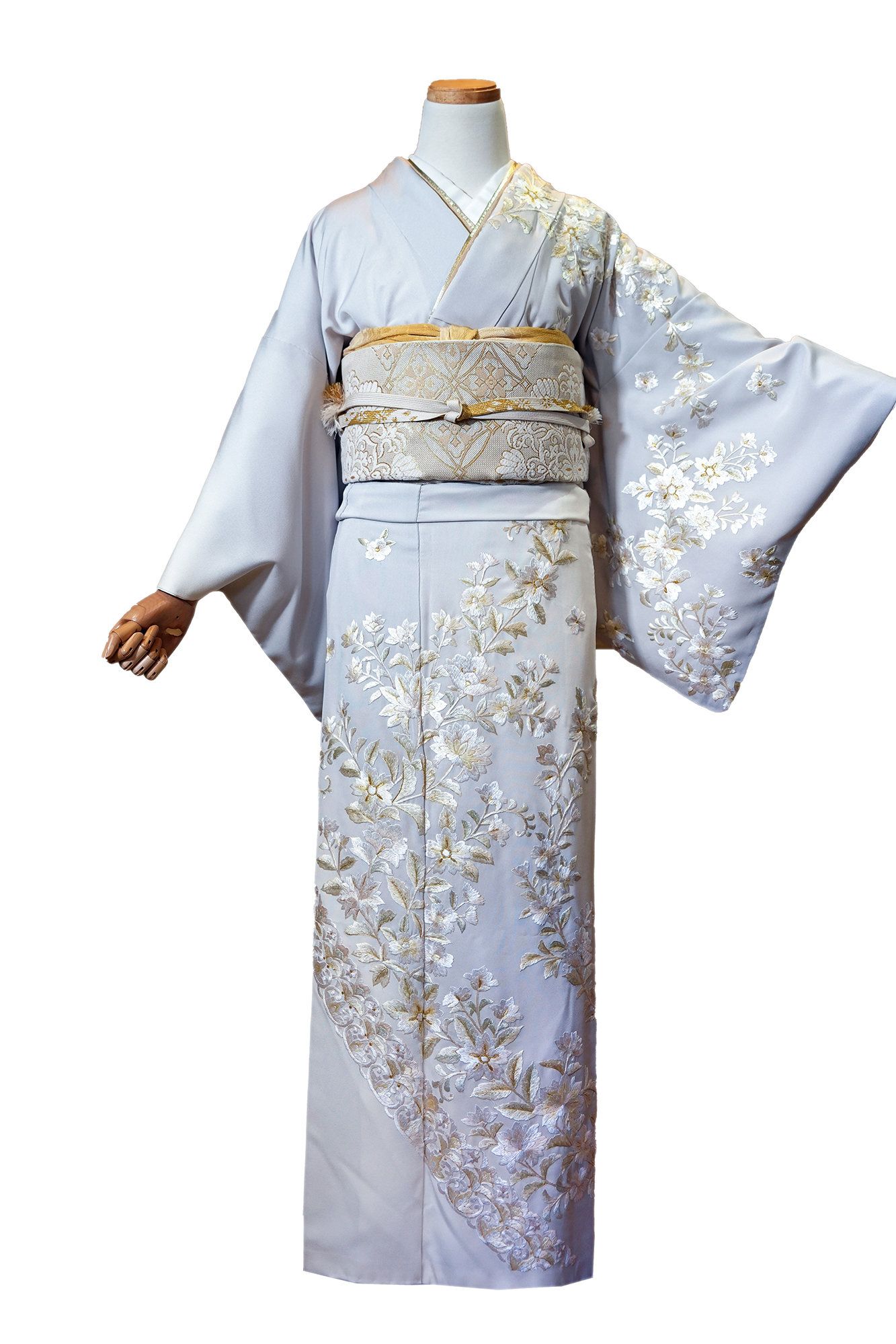
The houmongi is a versatile semi-formal kimono characterized by flowing patterns that gracefully sweep across the shoulders and the hem.
Another popular formal style is the houmongi, a semi-formal kimono for visits, parties and special social occasions. The houmongi has flowing designs that continue across the seams for a more unified and graceful look. It feels dressed up, but not overly severe. That balance makes it very versatile.
These formal clothes demonstrate one of the best aspects of kimono culture: beauty does not have to be overly difficult. Often, the beauty is found in the small details.
Furisode and the Youthful Side of Kimono
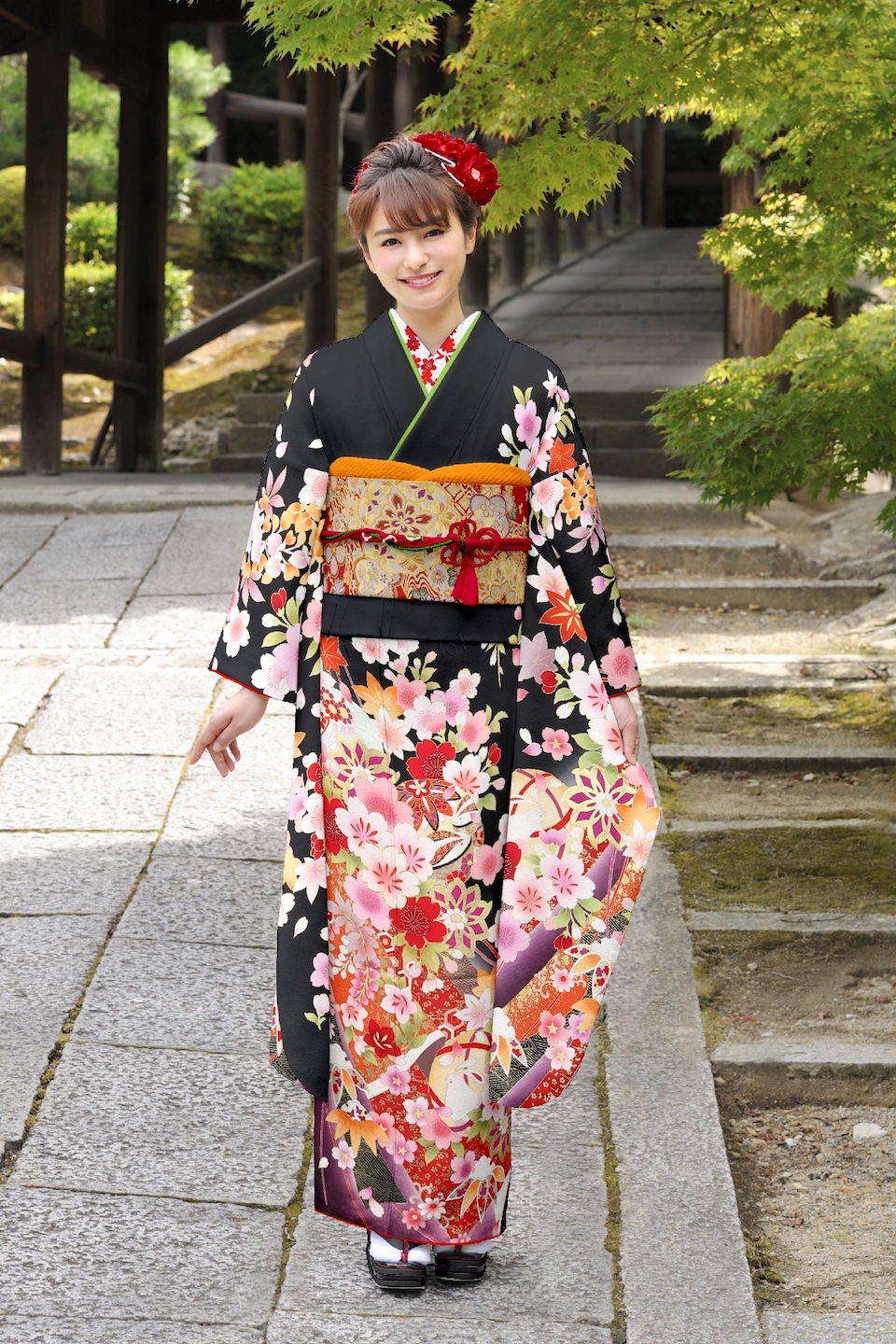
The furisode is the most formal kimono for unmarried women, instantly recognizable by its long, swinging sleeves and vibrant, full-body floral patterns.
One of the most famous kimono styles for women is the furisode. It is easy to recognize because of its long, flowing sleeves, which give the whole outfit a dramatic and graceful movement.
Traditionally, furisode are worn by unmarried women and are closely associated with youth, celebration, and important milestones. They are often seen at Coming-of-Age Day ceremonies, graduations, and other special events. Because of their vivid colors and detailed patterns, furisode usually stand out as one of the most eye-catching kimono styles.
There is something especially beautiful about the way a furisode moves. The long sleeves sway as the wearer walks, making the entire outfit feel alive. It has a celebratory energy to it, which is probably why it remains so popular and so visually memorable.
If formal kimono feel composed and dignified, furisode feel ceremonial and expressive. They are both elegant, but in very different ways.
Casual Kimono and Everyday Wear
Not every kimono is reserved for major life events. Some are much more relaxed and approachable.
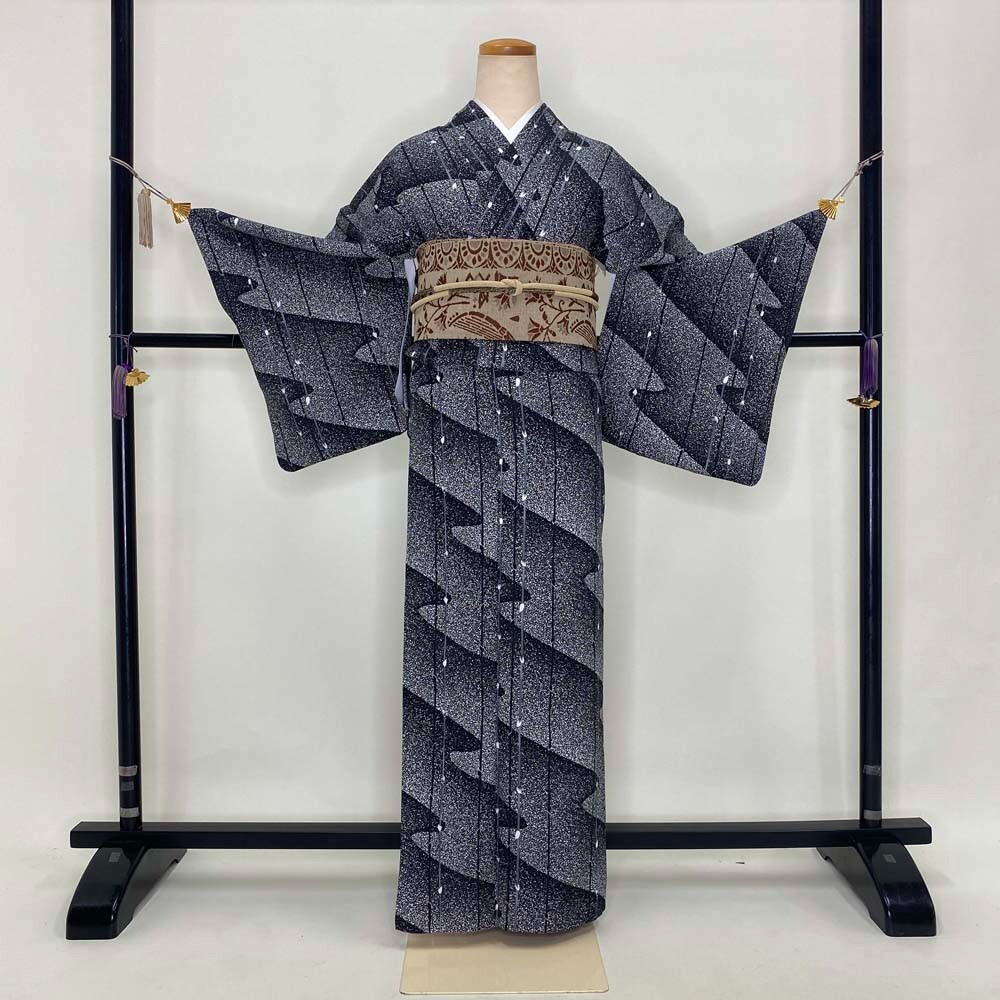
The komon is a casual, everyday kimono distinguished by its small, repetitive patterns that cover the entire surface of the garment.
The komon is one of the more casual styles. It usually features repeating patterns across the entire fabric and can be worn in everyday or semi-casual settings. Compared to a formal kimono, komon feels much more lightweight and versatile. They still look refined, but they do not carry the same level of ceremony.
This is where the kimono starts to feel less intimidating and more wearable in daily life. They can still be beautiful without being overly serious.
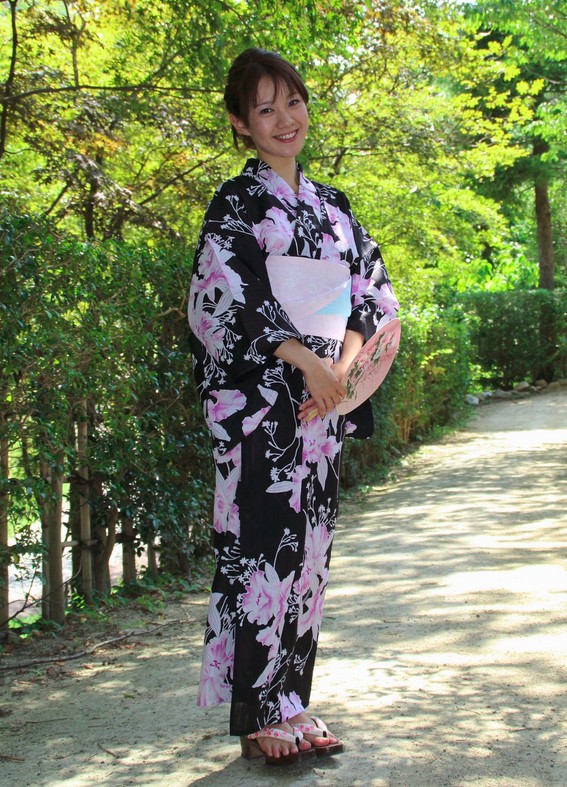
The yukata is a light, unlined cotton kimono typically worn during the summer months for festivals or as relaxed loungewear.
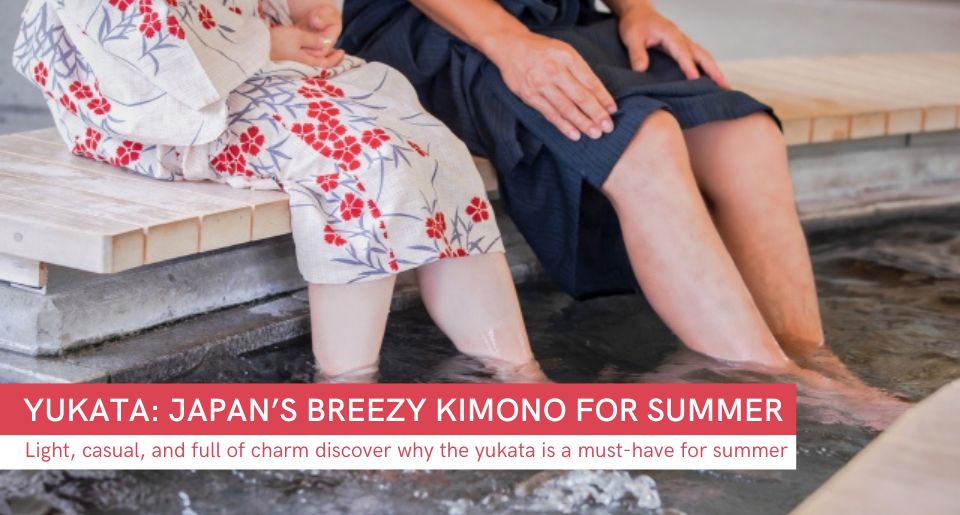
Then there is the yukata, which is probably the most familiar casual kimono for many people. Yukata are lightweight cotton garments typically worn during summer, especially at festivals, fireworks displays, and hot spring stays. They are simpler than formal kimono and much cooler in warm weather, which makes them especially popular during Japan’s hot and humid summer months.
Yukata have a relaxed charm that makes them easy to love. For many people, they are the first traditional Japanese garment they ever wear. They are easier to put on than full formal kimono, and they still carry that unmistakable Japanese aesthetic that makes the whole outfit feel special.
Kimono for Men
Kimono are not just for women, and that part of the story deserves just as much attention.
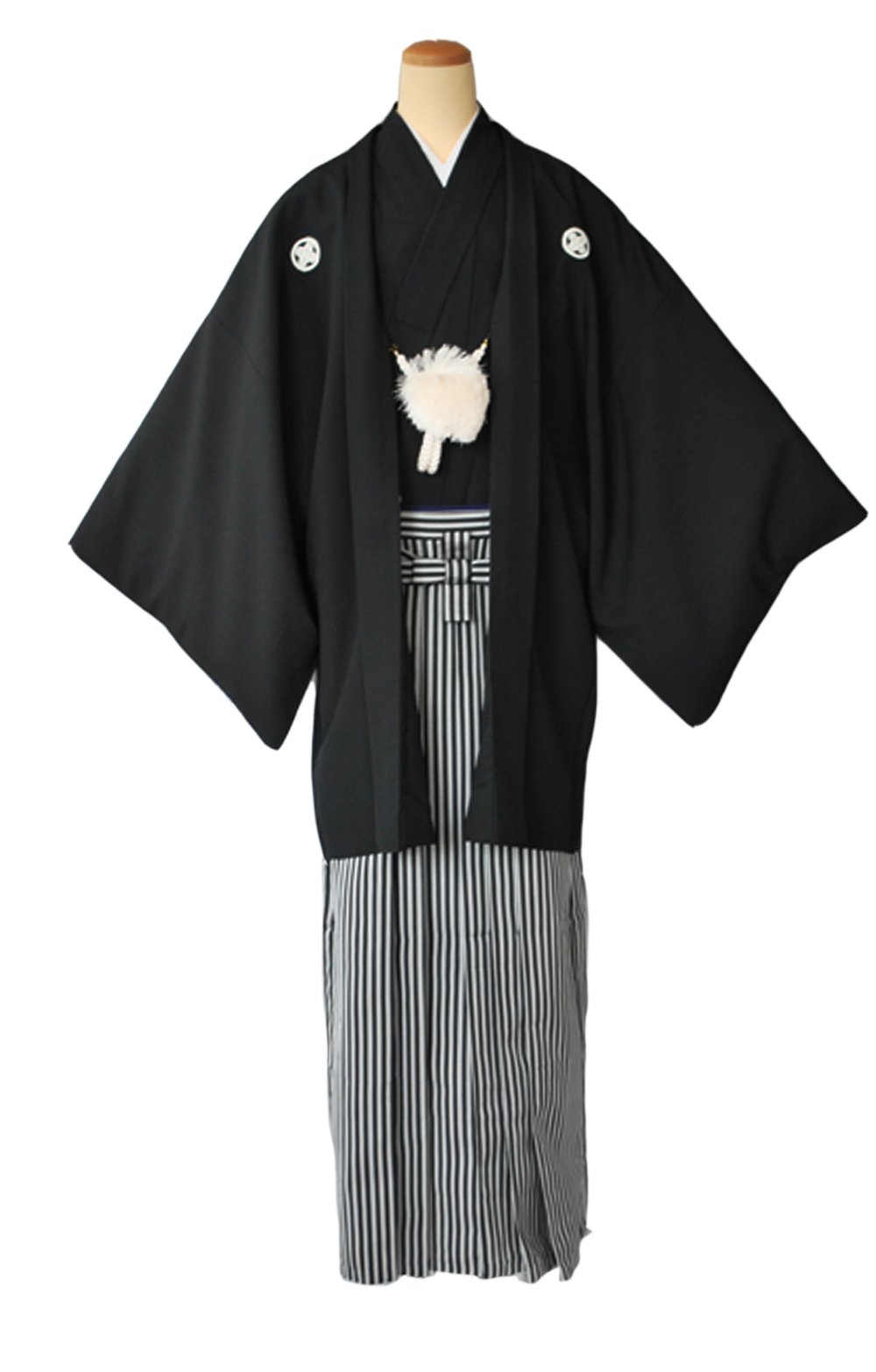
This formal men's ensemble consists of a haori jacket and pleated hakama trousers, representing a sophisticated and traditional choice for ceremonial occasions.
Men also have their own traditional kimono styles, and these are an important part of Japanese clothing culture. In formal settings, men often wear a kimono together with a haori jacket and hakama. This combination is one of the most recognizable formal outfits for men in traditional Japanese clothing.
It has a very different mood from women’s kimono. Men’s kimono tend to be more understated, with darker colors and subtler patterns. Instead of standing out through bright decoration, they usually rely on simplicity and structure. That does not make them less beautiful. In fact, their quiet restraint is part of what makes them so elegant.
The formal men's attire frequently exudes composure, self-assurance, and dignity. It is the kind of clothing that does not need to shout in order to be noticed.
There are also more casual styles for men, especially for warmer weather or less formal occasions. Like women’s kimono, men’s traditional wear changes based on season and setting. One of the things that makes kimono culture feel so whole is its adaptability. It is not exclusive to one gender. It is a part of a multifaceted cultural tradition.
The Details That Make Kimono Special
A kimono outfit is rarely just one garment. There are layers involved, and each one matters.
There are undergarments, collars, cords, and the obi, which is one of the most important parts of the entire look. The obi is not just decorative. It shapes the whole silhouette and can completely change the feel of the outfit depending on how it is tied.
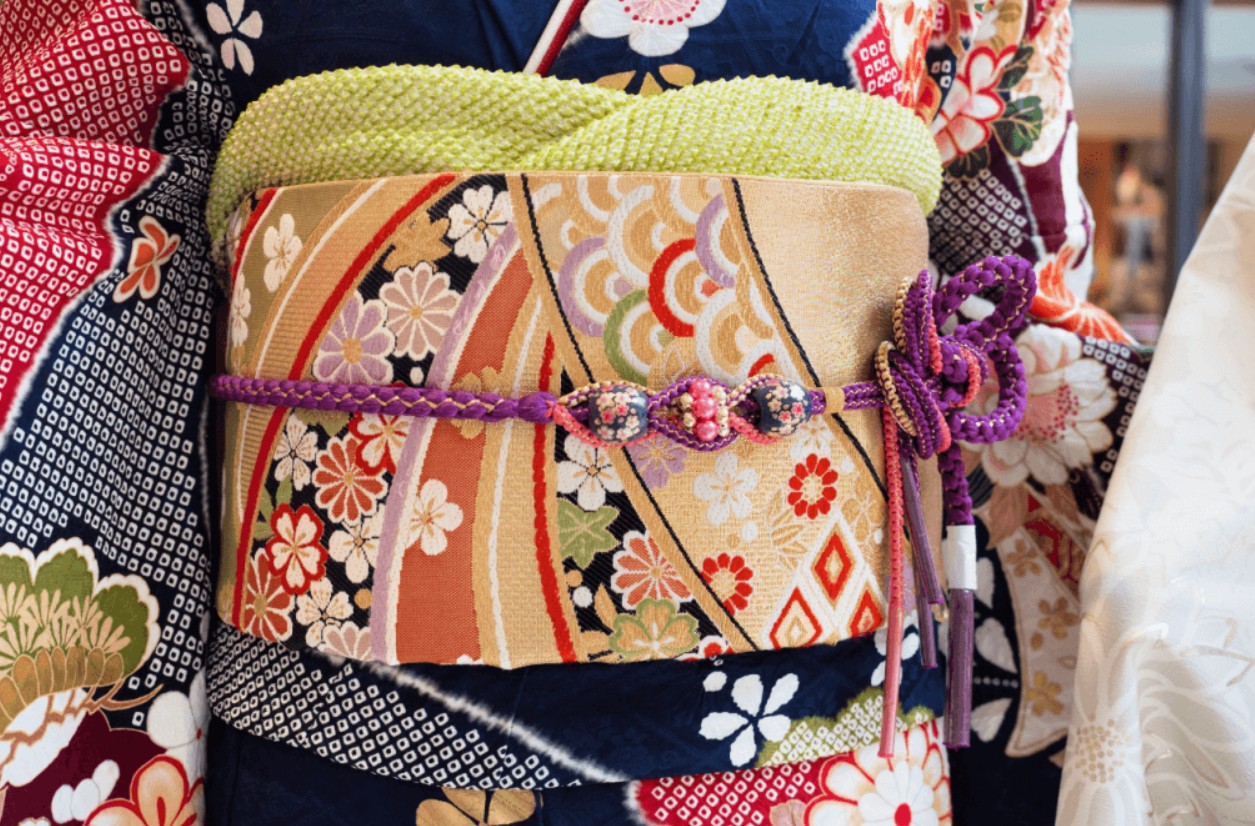
The obi is a wide, decorative sash used to secure a kimono, often accented with an obijime cord and an obiage scarf for a complete formal look.
Then there are the patterns. In kimono design, seasonal motifs are a big deal. Flowers, leaves, birds, waves, and other natural imagery are often chosen to reflect the time of year or the feeling of the occasion. A kimono can say spring, autumn, celebration, or elegance without using a single word.
That is part of the charm. Kimono are not random fashion pieces. They are thoughtful. They are symbolic. And they often reflect the Japanese appreciation for seasonality, harmony, and balance.
Even the process of wearing kimono shows how intentional the whole tradition is. Dressing properly takes practice, and the process usually involves careful wrapping, layering, and tying. It is clothing that asks for attention, and in return, it gives back a sense of presence.
Kimono in the Modern World
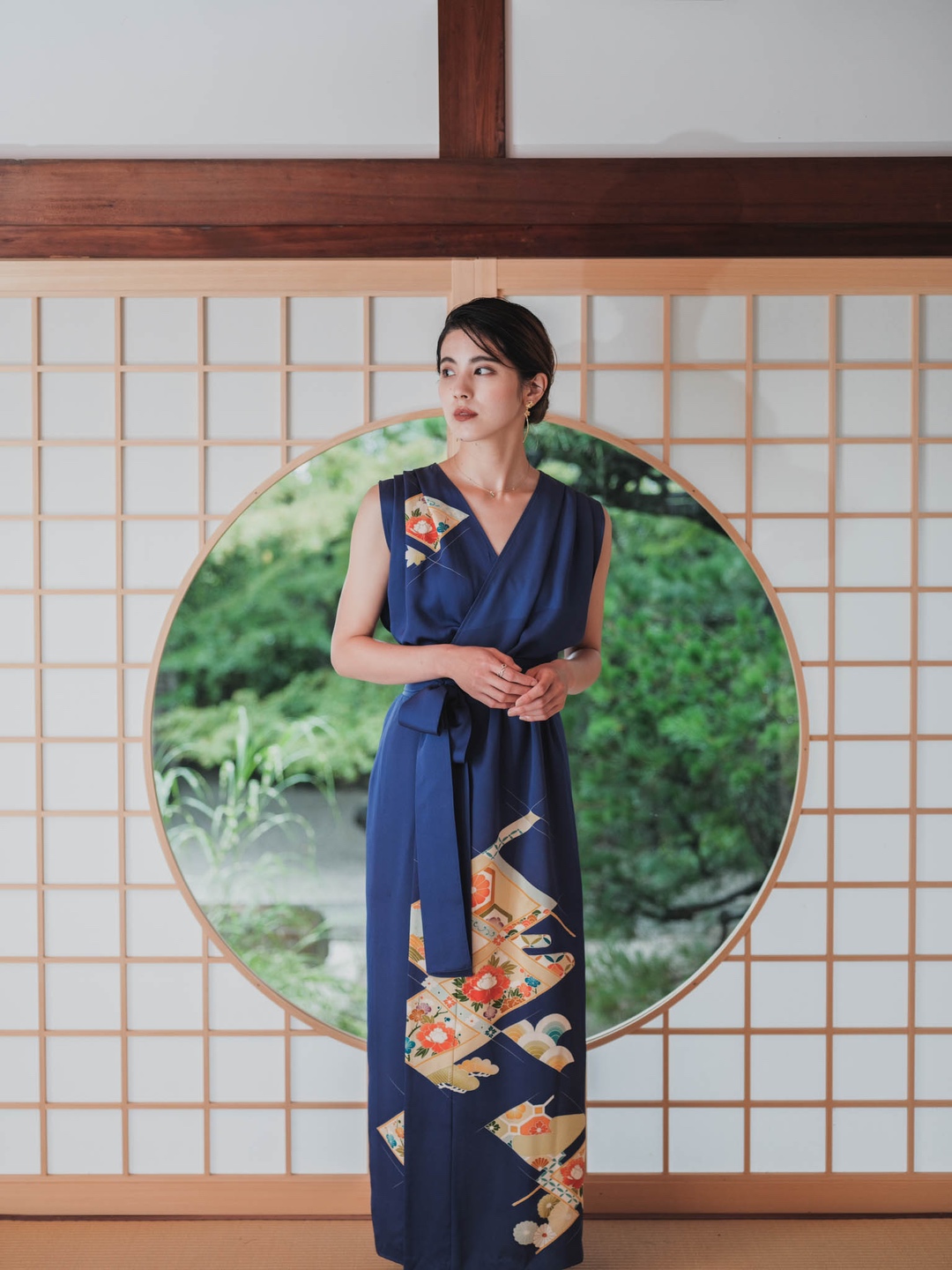
This modern kimono dress reimagines traditional aesthetics by blending a classic wrap-style silhouette and vibrant motifs with a contemporary, sleeveless design.
Even with such a long history, kimono have not been left behind.
People still wear them for weddings, festivals, ceremonies, and special events. At the same time, kimono continue to find new life in modern fashion. Vintage kimono are often sold in secondhand shops, rented by travelers, or repurposed into new items such as dresses, jackets, bags, and accessories.
That ability to move between tradition and reinvention is a big reason kimono still matter today. They are not frozen in the past. They continue to adapt.
Modern wearers also approach kimono in different ways. Some prefer to follow traditional rules closely, while others experiment with styling, layering, or mixing kimono with modern pieces. Either way, the garment continues to inspire creativity.
That is what makes kimono culture feel alive instead of preserved behind glass. It still has room for interpretation.
Why Kimono Still Capture Attention
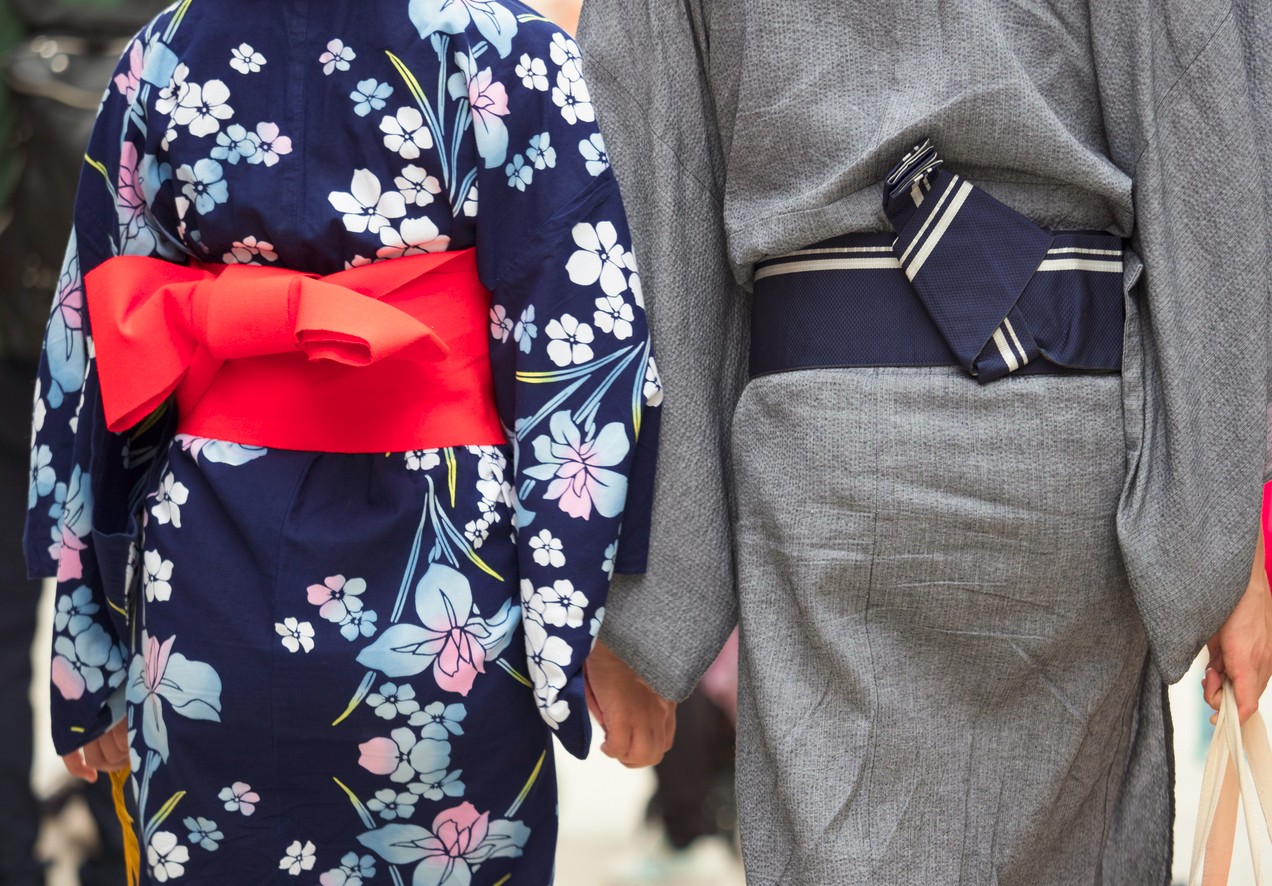
A couple enjoys a summer outing wearing casual yukata, featuring a colorful floral print for the woman and a subtle, textured grey pattern for the man.
Although kimonos are undoubtedly gorgeous, that is not the only reason they continue to captivate people.
It's because they stand for something more profound. They demonstrate how identity, celebration, and remembrance may be connected to clothing. They commemorate life's significant milestones. They show how the seasons change. They advise the wearer to be deliberate and slow down a bit.
Every style has a place and personality, whether it's the formal dignity of a kurotomesode, the dramatic beauty of a furisode, the relaxing appeal of a yukata, or the refined simplicity of a men's haori and hakama outfit. Together, they demonstrate the depth of kimono culture.
Perhaps this explains why the kimono is still so popular today. It is more than just a traditional item of clothing that happened to endure over time. It is a dynamic aspect of Japanese culture that keeps changing while respecting its origins.
That balance of old and new, formal and casual, beauty and meaning is what gives kimono their lasting appeal.
The kimono still has the ability to cause people to stop and admire the artwork in front of them. That kind of elegance is timeless.
What do you think?
Which type of kimono catches your attention the most — the elegant kurotomesode, the colorful furisode, the relaxed yukata, or the understated style of men’s kimono and hakama?
Have you ever worn a kimono before? Was it for a festival, a tea ceremony, a special occasion, or just for fun while exploring Japan?
Do you prefer the more formal and traditional styles, or are you more drawn to modern kimono fashion and casual yukata looks?
Let us know in the comments or reach out on social media: X (formerly Twitter), Instagram, and Facebook. We’d love to hear about your favorite kimono styles, memorable experiences, and the traditional Japanese fashion pieces that caught your eye.
ZenPlus is your gateway to authentic Japanese culture and craftsmanship, featuring traditional kimono, accessories, and a wide range of unique finds from Japan. Explore the marketplace to discover genuine products and have them delivered straight to your doorstep.
About the Writer
Cristy is a freelance artist and writer who has been obsessed with anime and manga since childhood. Her love for these imaginative worlds fuels her creative endeavors, and she shows no signs of stopping anytime soon.