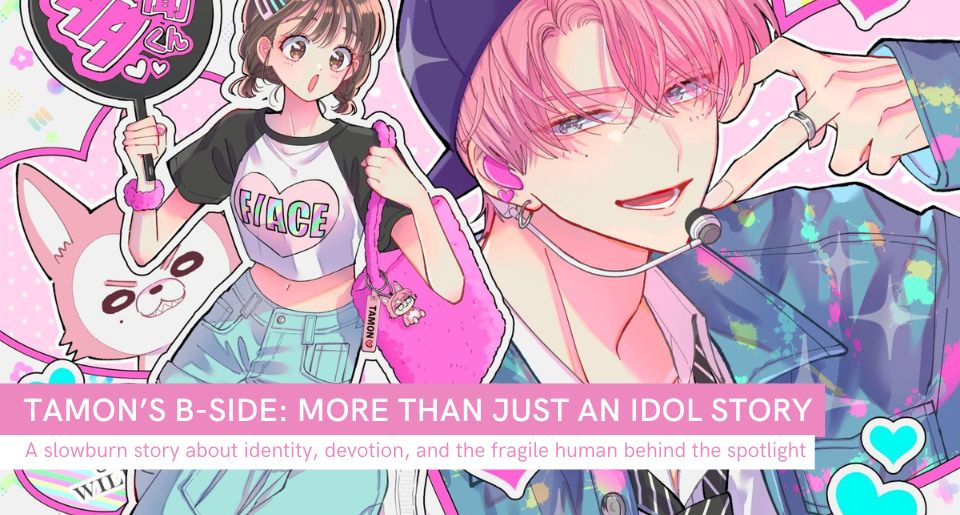
“Tamon is God!” — but what happens when God turns out to be more ‘human’ than you had thought?
If you’ve ever gone through a real idol phase—not the casual “I like a few songs” stage, but the kind where a performer quietly becomes part of your everyday routine—then you’ll probably see a bit of yourself in Utage Kinoshita. Her devotion sits in that space only longtime fans really understand. She checks updates before she’s fully awake, replays performances after a long day for comfort, and feels oddly invested in her idol’s success, like cheering from afar might actually make a difference.
Utage doesn’t just support Tamon Fukuhara. She reveres him. Her catchphrase isn’t “Tamon is perfect” or “Tamon is my prince.” She says it with complete sincerity: “Tamon is God!” And in her world, that isn’t an exaggeration. He’s something steady in a life that doesn’t always feel predictable—a source of comfort, motivation, and the small bursts of happiness that brighten ordinary days.
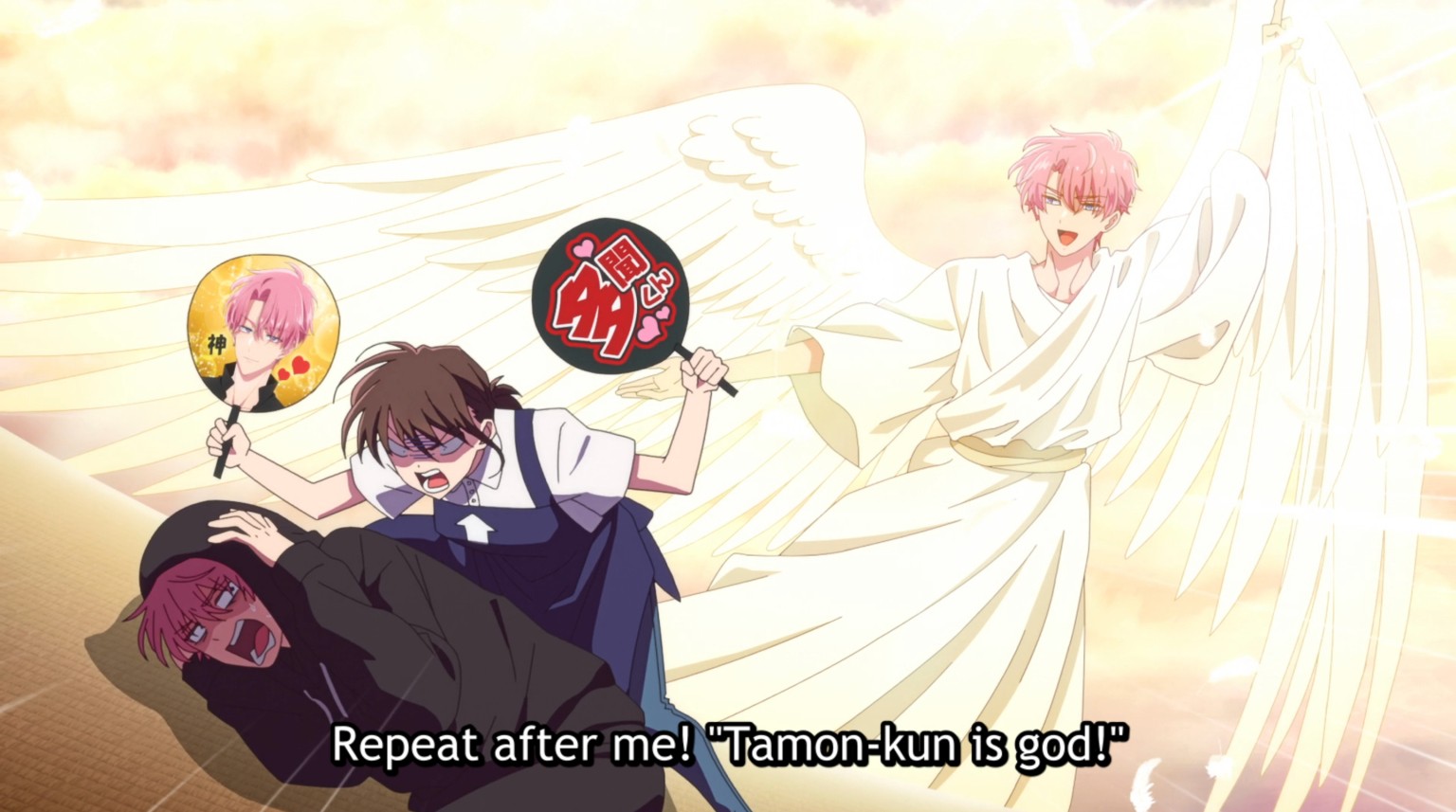
Utage says her catchphrase to the man himself. Yeah. That gloomy guy is the same god she adores.
As the radiant center of the idol group F/ACE, Tamon embodies everything she believes an idol should be: charismatic, luminous, and untouchable. Utage structures her life around supporting him. She works part-time to fund her fangirl activities, lives for live performances and broadcasts, and believes in him with a conviction that borders on religious devotion. When fate intervenes and she ends up working part-time at his apartment, it doesn’t feel like coincidence. It feels like the universe rewarding her loyalty.
That illusion collapses the moment she meets him. Instead of the radiant figure she worships, she encounters a gloomy, anxious young man convinced he doesn’t deserve the love he receives.
Spoiler warning: this article discusses character reveals and later developments in Tamon’s B-Side. If you’d rather experience the emotional turns yourself, consider this your heads-up.
When “God” Turns Out to Be Human
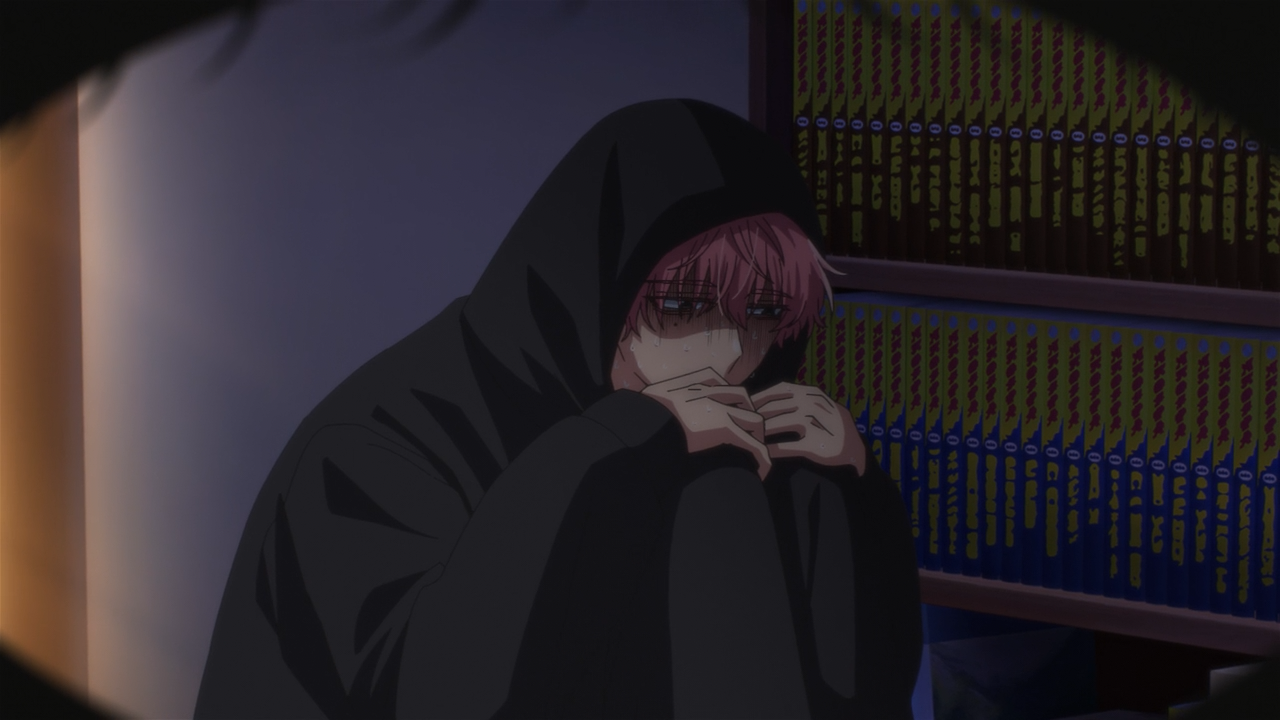
This gloomy, anxious man is Tamon. No, you’re not dreaming. It’s his real self.
Tamon’s B-Side wastes no time dismantling Utage’s theology. Tamon’s confident stage persona disappears the moment he is alone. The man who commands crowds slumps in private, spiraling over perceived flaws and questioning his own worth. Instead of divine radiance, Utage meets Jimehara (Gloomyhara)—the deeply insecure, self-critical version of Tamon who seems perpetually on the verge of retreating into himself.
What makes this moment intriguing is not the shock, but Utage's reaction. She doesn't lose faith; instead, she redirects it. If Tamon isn't an untouchable god, she'll believe in him even more strongly as a person.
The setup comes together quickly, but what follows takes its time. Tamon’s B-Side is a true slowburn. Tamon and Utage don’t even become proper friends until much later in the story, yet they fall into a rhythm that almost feels like they’re already dating. Watching their connection grow is part of the charm. It builds through awkward encounters, quiet emotional dependence, misunderstandings, and small moments of trust that feel genuinely earned. The pacing feels closer to how real closeness develops, which makes every shift in their relationship feel natural instead of forced.
F/ACE: Five Members, Five Faces
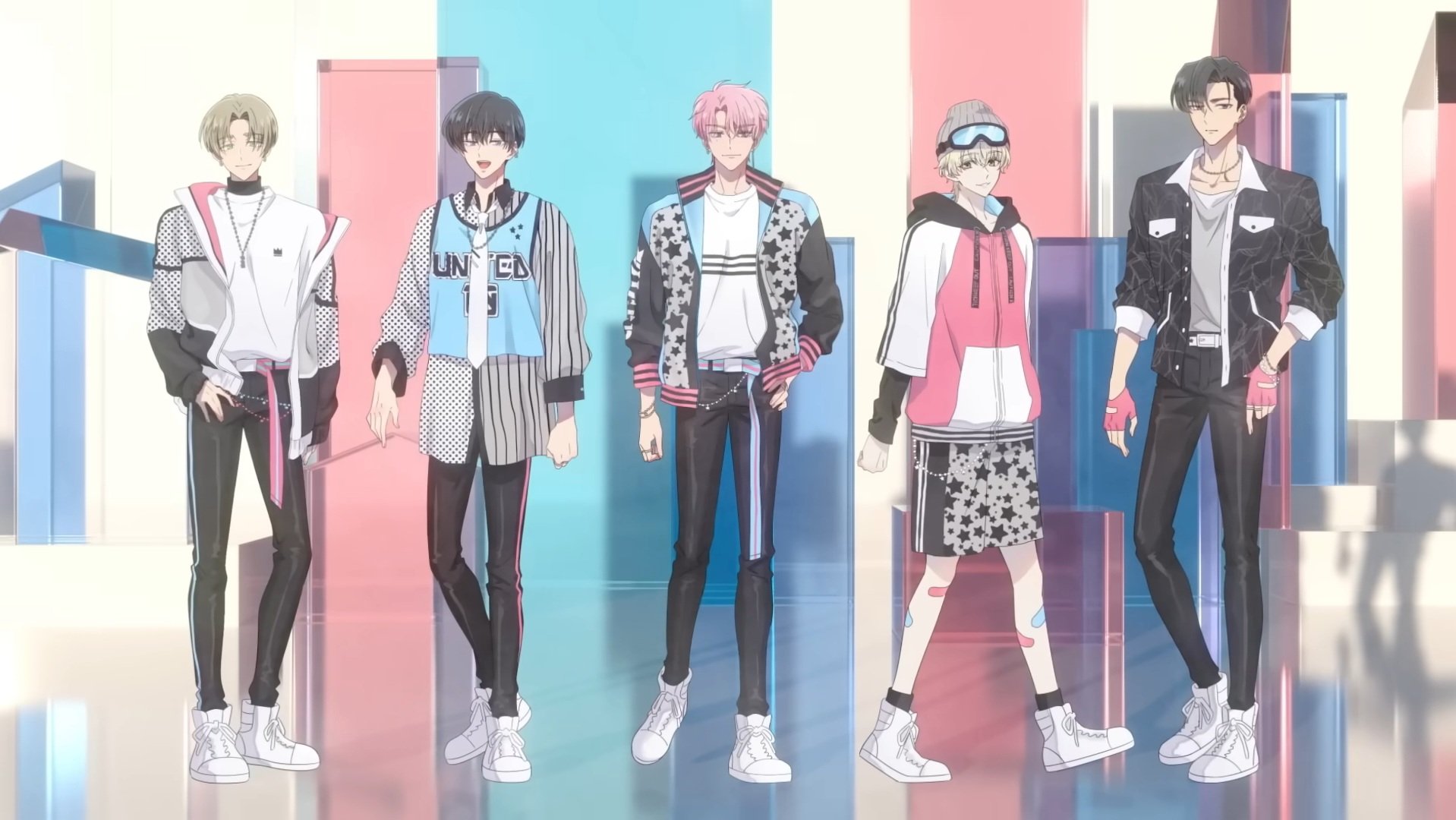
F/ACE members, from left to right: Keito Tachibana, Ouri Sakaguchi, Tamon Fukuhara, Natsuki Ishibashi and Rintaro Kai.
F/ACE isn’t just a glittering idol group filling the background of the story. Even their name hints at one of its central ideas: people have more than one side to them. What fans see on stage is only one version; offstage, the members are louder, messier, and far more human. For most of them, that gap feels natural—a reminder that performance is only one layer of who they are. Tamon, however, stands apart. While the others balance their public and private selves, his inner divide runs much deeper, feeling less like contrast and more like something fractured.
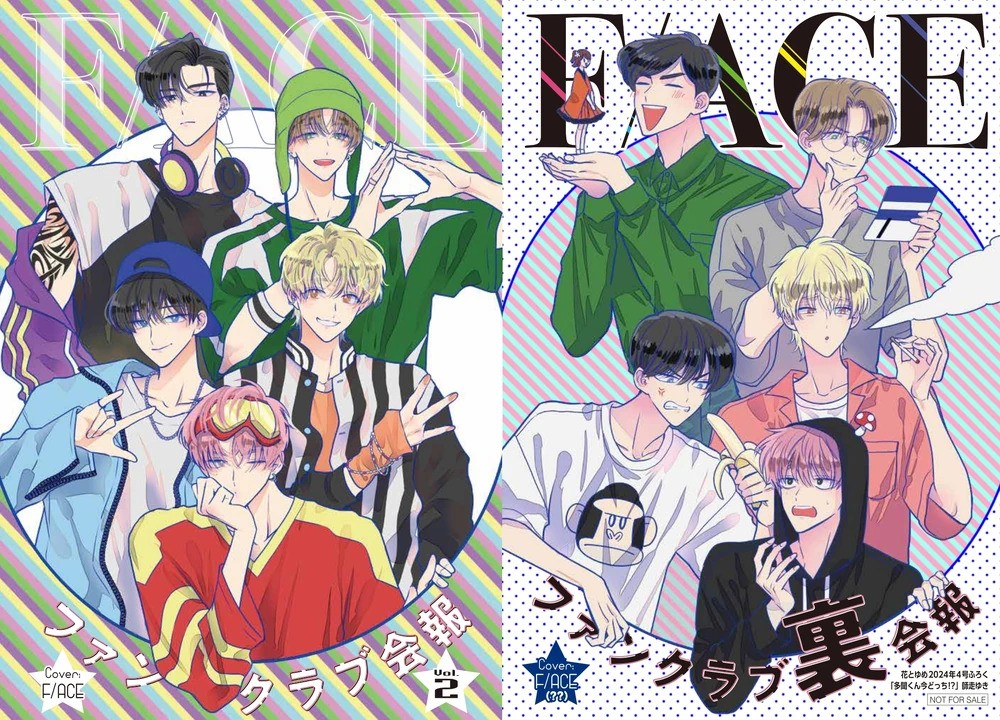
F/ACE’s idol personas are on the left side, while you can clearly see their “B-Sides” on the right.
Ouri Sakaguchi is introduced to fans as F/ACE’s elegant “prince,” a polished performer whose composure reflects his past as a child actor. Everything about him suggests someone born for the spotlight. He moves with practiced refinement and carries himself with effortless control. Offstage, though, Ouri is far less princely. He can be blunt, proud, and emotionally intense, speaking with a directness that sometimes comes off as abrasive. Within the group, he’s even nicknamed a “gorilla,” a label that points to both his stubborn strength and the intimidating force of his personality. Yet beneath that rough exterior is a surprising sincerity. As the story unfolds, his sharp edges soften, revealing someone shaped by pressure and expectation who simply wants to be understood.
Keito Tachibana, the group’s leader and later center, radiates warmth and reliability. His gentle demeanor and steady, caretaker-like presence make him feel approachable and reassuring—the kind of person everyone naturally leans on. Offstage, however, Keito is deeply pragmatic. He approaches idol work with a clear sense of responsibility, helping support his younger siblings and contribute to his family’s stability. His frugality and practical thinking come from necessity, not coldness. Beneath his calm exterior is a constant awareness of what it takes to keep everything from falling apart.
Natsuki Ishibashi fits the “cute” archetype almost too perfectly. Fashionable, creative, and soft-spoken, he embodies sweetness on camera. Offstage, Natsuki is far more relaxed and imperfect. He can be lazy, enjoys gambling, smoking and drinking, and slips easily into Kansai dialect. A painful incident from his past leaves him carrying guilt that complicates his relationship with success and idol life. The contrast between angelic idol and flawed person makes him feel authentic, not fake.
Rintaro Kai, the group’s rapper, gives off a quiet, cool mystique. His height and modeling work add to an intimidating aura, and his reserved demeanor can make him seem distant at first glance. In private, however, Rintaro is a talkative otaku who enthusiastically rambles about anime and his favorite character, Kanpyo Roll-chan. He sees idol performance as another form of emotional storytelling, and his silence often comes from nervousness rather than aloofness. Compared to the other members, his duality isn’t an act—it’s simply another side of who he is.
Together, the members of F/ACE show that idols aren’t defined by a single persona but by layered identities shaped by expectation, performance, and personal truth. Each of them balances the person the public sees with the person they are offstage. That balance makes Tamon stand out even more, because unlike the others, he isn’t just juggling two sides—he’s still trying to reconcile the pieces of himself.
The Many Sides of Tamon Fukuhara
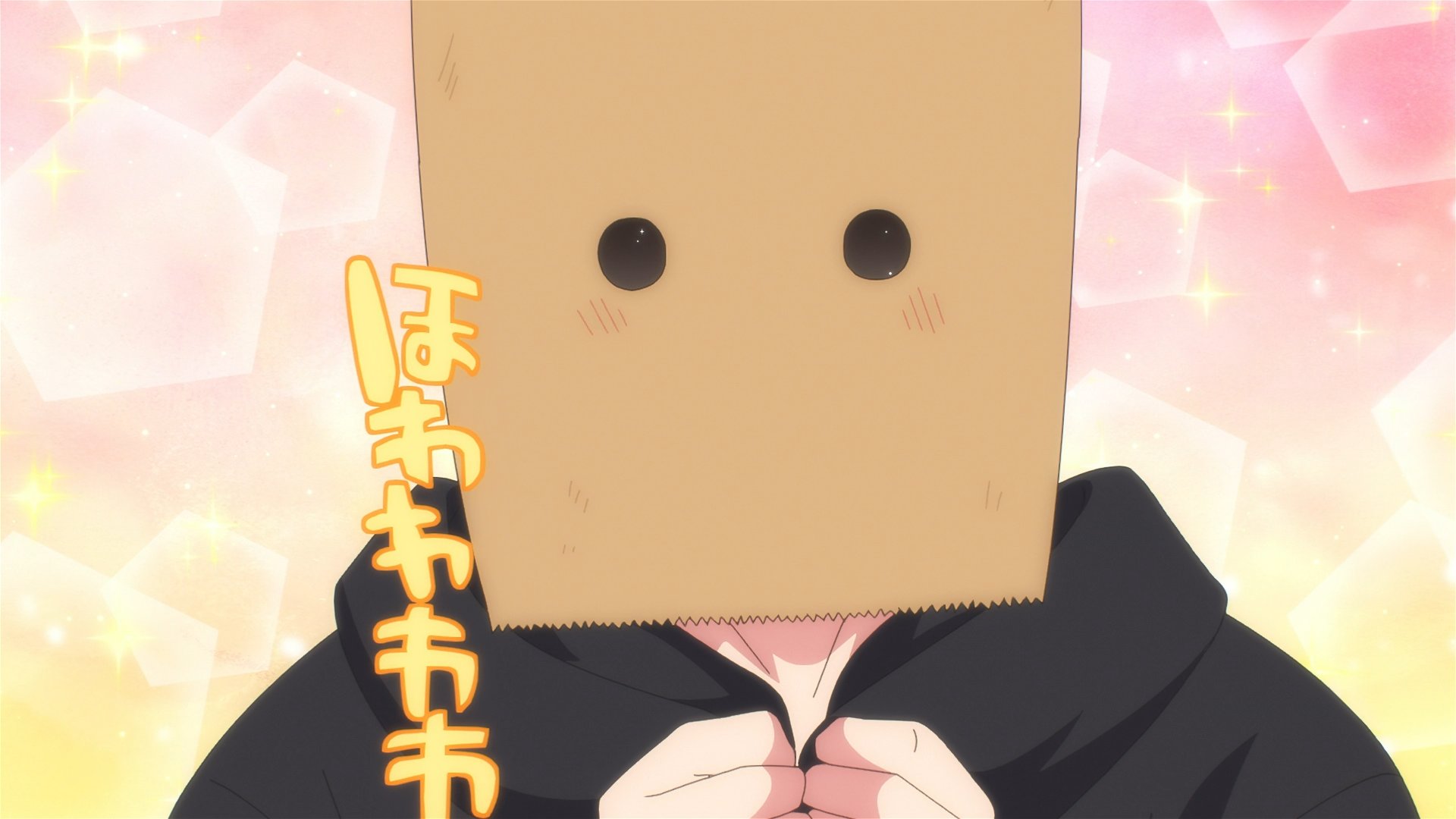
This paper bag-wearing guy is Tamon. It’s his default form whenever he’s outside as Jimehara. That paper bag can turn fancy by the way—that just means it’s his idol form inside.
Tamon’s contrast is easily the most striking part of the story, and it’s what gives everything its emotional weight. On stage, he’s Ikehara (Hottiehara): confident, charming, the true embodiment of “sexy and wild” and exactly the kind of magnetic idol Utage worships. Offstage, he turns into Jimehara (Gloomyhara), anxious and self-critical, quietly convinced he doesn’t deserve the love he receives.
Those insecurities didn’t come out of nowhere. Tamon was bullied as a child, and the experience left deep marks on how he sees himself. According to his older brother Daiki, he used to be shy but cheerful and friendly, the kind of boy who genuinely wanted to make people smile. That warmth never disappeared. It simply withdrew behind layers of anxiety and extreme introversion, buried under years of self-doubt.
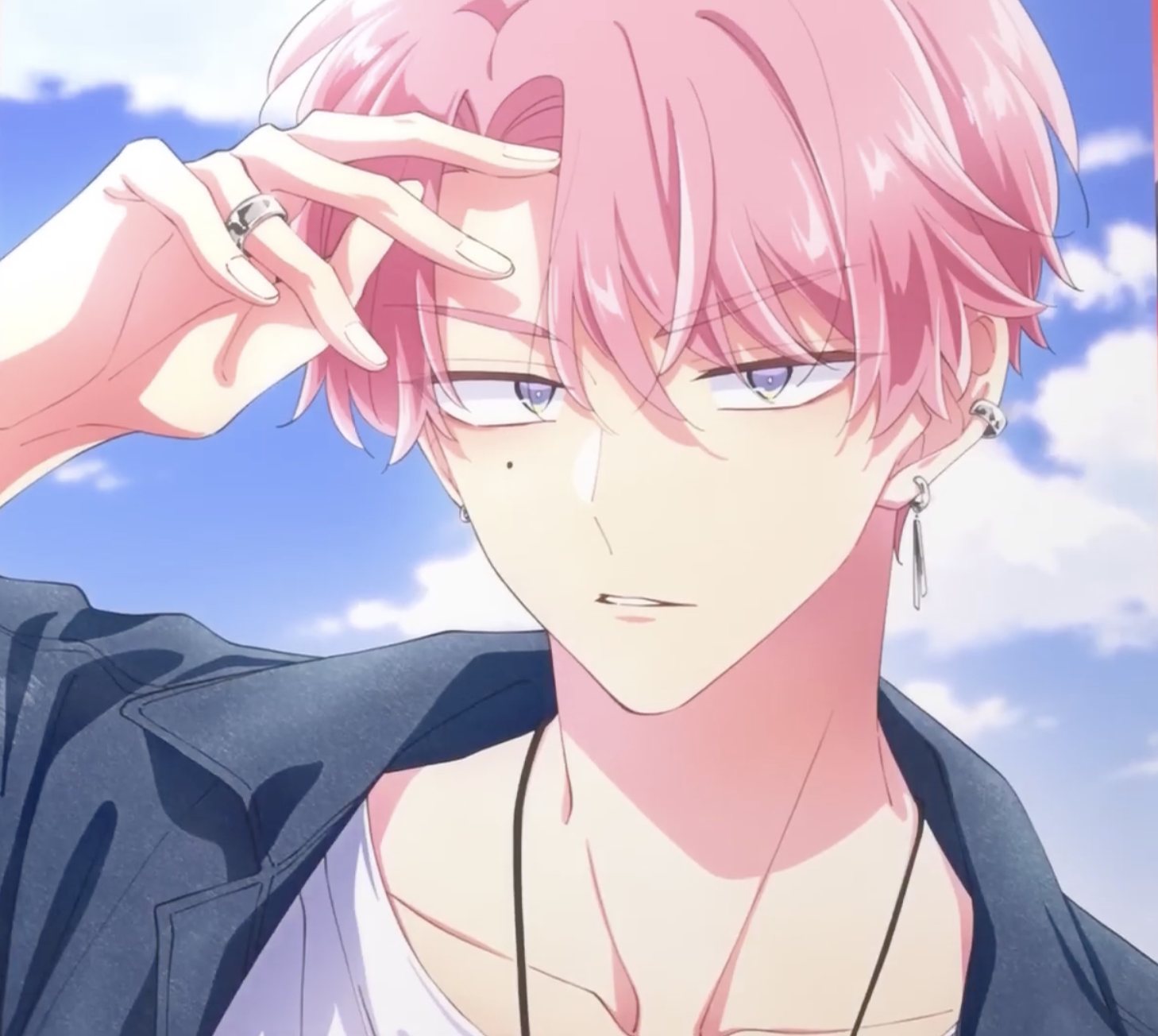
Tamon as Ikehara, his ultimate “sexy and wild” idol form. This persona of his is worshipped by thousands of E/YES worldwide, and this particular picture is in the center of Utage’s Tamon altar.
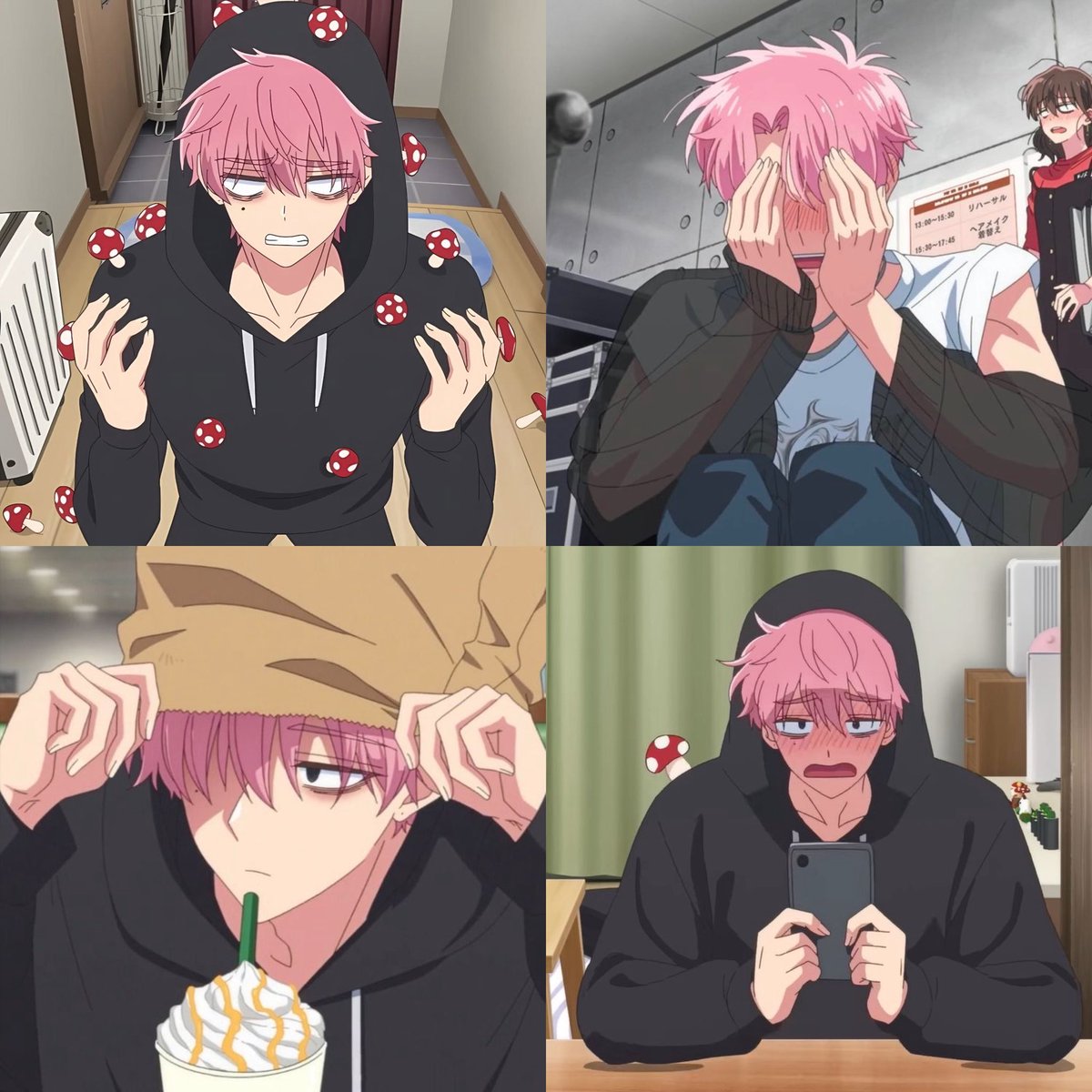
Contrary to his idol persona, Tamon’s Jimehara persona is extremely anxious, shy…and somewhat pure and adorable. Is this contrast what they call gap moe?
As the story moves forward, another side begins to surface: Yamihara (Darkhara). This side appears when Tamon feels threatened or fears being abandoned. It doesn’t erupt in loud outbursts. Instead, it shows up as possessiveness and a quiet intensity that can feel a little unsettling. While the other members’ B-sides mostly highlight the difference between their public and private selves, Tamon’s feel more like emotional states trying to exist at the same time.
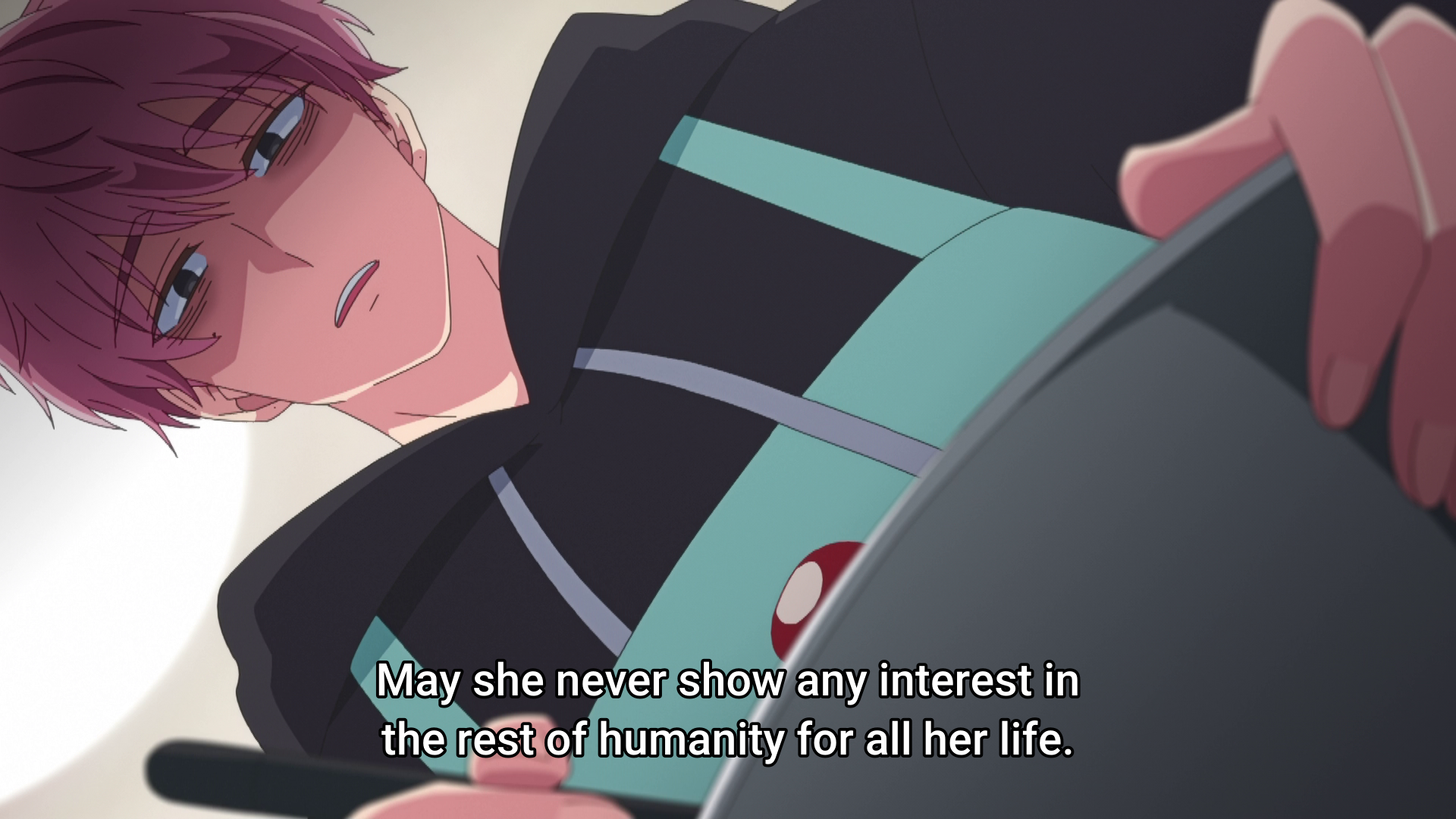
Tamon’s third personality is… a yandere?!
Even with all his anxiety, Tamon chose idol life. During his time in Tokyo, he became a fan of the group X-Real and found comfort in their performances. He wanted to bring people joy the way they had for him. He wanted to make his brother proud. More than anything, he wanted to make people smile. That desire feels genuine, and it has always been part of who he is.
The anime adds another layer to Tamon through Kakeru Hatano’s performance. He may be new to leading roles, and Tamon might be his first major one, but he delivers far beyond expectations. Each side of Tamon feels distinct: Ikehara carries a bright, confident tone, Jimehara feels fragile and uncertain, and Yamihara introduces a darker emotional weight. Hatano doesn’t rely on dramatic vocal shifts. Instead, he adjusts pacing, breath, and subtle vocal texture so each side feels like it comes from a different emotional space. The transitions are smooth but noticeable, making Tamon’s inner conflict feel even more real. It’s an impressive debut and the kind of performance that makes you curious about what he’ll do next.
When Devotion Turns Into Dependence
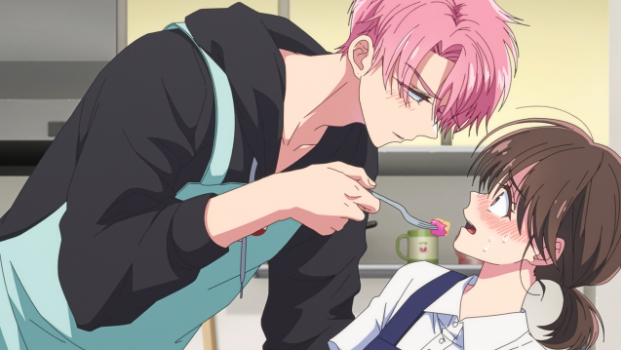
Tamon just wants Utage to eat his cake. Yeah. Literally.
Utage starts out as the devoted fangirl proudly declaring that “Tamon is God!” but over time, the emotional balance between them begins to shift. Tamon grows deeply reliant on her, especially as his more possessive tendencies begin to surface. At that point, she is essentially his only source of emotional support. They aren’t even officially friends yet, and he still keeps a certain distance from his fellow members. Utage, however, accepts every side of him without hesitation, and that kind of unconditional acceptance becomes an anchor he didn’t realize he needed.
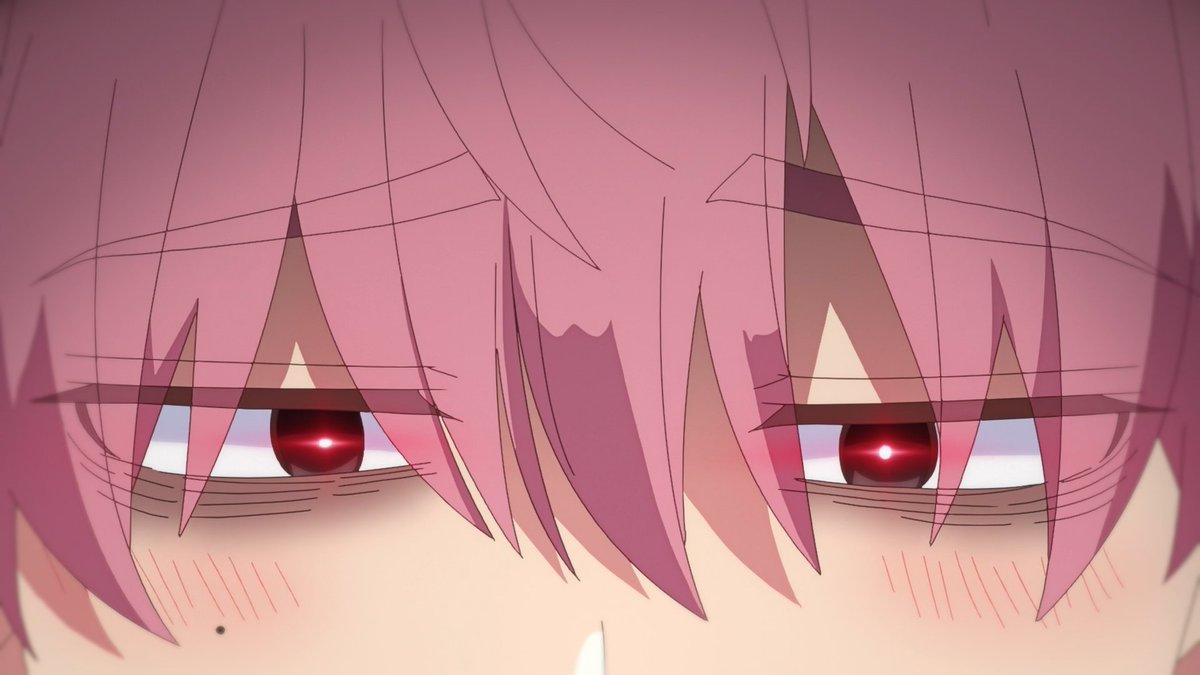
The anime even adds those red, glowing eyes to emphasize the fact that he is now Yamihara.
When Tamon fears losing her, his anxiety can twist into jealousy. His yandere tendencies may come as a surprise, but they grow out of fear rather than cruelty. He doesn’t want to lose the one person who sees him completely. In a story built around parasocial devotion, it slowly becomes clear that Tamon’s attachment to Utage may rival her own obsession with him. He isn’t dangerous; he’s emotionally fragile—a “baby yandere” clinging to the one stable connection in his life.
Bringing F/ACE to Life: Animation and Music
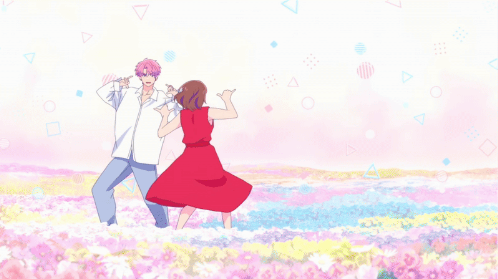
Tamon and Utage dancing, as seen in the series’ opening, “Sweet Magic.”
The anime adaptation by J.C.Staff caught some viewers off guard, especially those who went in cautiously because of the studio’s uneven reputation following the One Punch Man discourse. With Tamon’s B-Side, though, it’s clear the team approached the project with real care. They didn’t cut corners — the animation feels smooth and expressive, and the subtle character acting shines through in posture shifts, micro-expressions, and thoughtful framing that reveal Tamon’s emotional state even before he speaks.
Even the CGI is handled surprisingly well. Instead of feeling stiff or distracting, it blends naturally into the performance scenes, supporting the movement rather than breaking immersion. Compared to the clunkier CG seen in shows like Wandance last season, the integration here feels intentional and polished. The result doesn’t feel like a routine adaptation, but a production made with genuine affection for the source material.
TVアニメ「多聞くん今どっち!?」ノンクレジットオープニング映像|F/ACE「Sweet Magic」
TVアニメ「多聞くん今どっち!?」ノンクレジットエンディング映像|F/ACE「花と夢」
「RAIN」で振り返るF/ACEセンター争奪戦|TVアニメ「多聞くん今どっち!?」
F/ACE「Eyes On You」リリックビデオ|「多聞くん今どっち!?」アニメ化決定!
F/ACE’s music also helps make the group feel believable rather than purely fictional. Instead of sticking to one predictable idol sound, their six released songs show a surprising amount of range. “Eyes on You” introduces them with polished pop brightness, while “F/ACE OFF” brings sharper beats and performance intensity. “Rain” and “Hana to Yume” lean into emotional storytelling and softer melodies, “Sweet Magic” highlights warmth and charm, and “Supernova” delivers the kind of explosive energy built for live stages. Together, these tracks show a group comfortable moving between moods and styles, reinforcing the idea that idols—like the characters themselves—contain more than one side.
The Tamon Effect
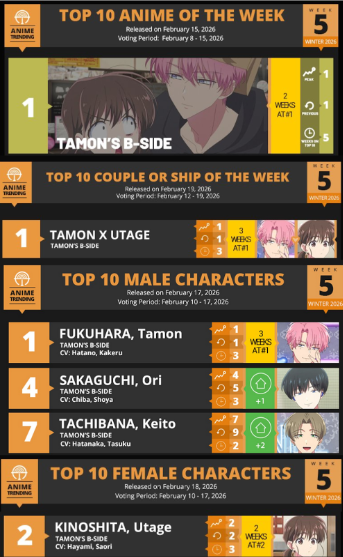
The series is in the top ten of every ranking site, such as Anime Corner and Anilab. And it is even more prominently seen in Anime Trending, where it has dominated the top spots.
Following the anime’s release, Tamon’s popularity surged in ways that felt both inevitable and surreal. Manga volumes repeatedly sold out and getting emergency reprints, and the series climbed overseas rankings at an impressive pace, frequently landing near the top of sites such as Anime Trending. The official anime account even acknowledged these placements multiple times—a small but telling sign that the series had broken out beyond its initial audience.

Even in real life, Tamon’s rising fame is reflected in endorsement deals and media exposure, including a collaboration with Meiji chocolates that cements his status as a mainstream idol. The line between fiction and reality begins to blur: his popularity feels believable not only within the narrative, but also in the real-world surge of fan engagement and online buzz.
More Than An Idol Story
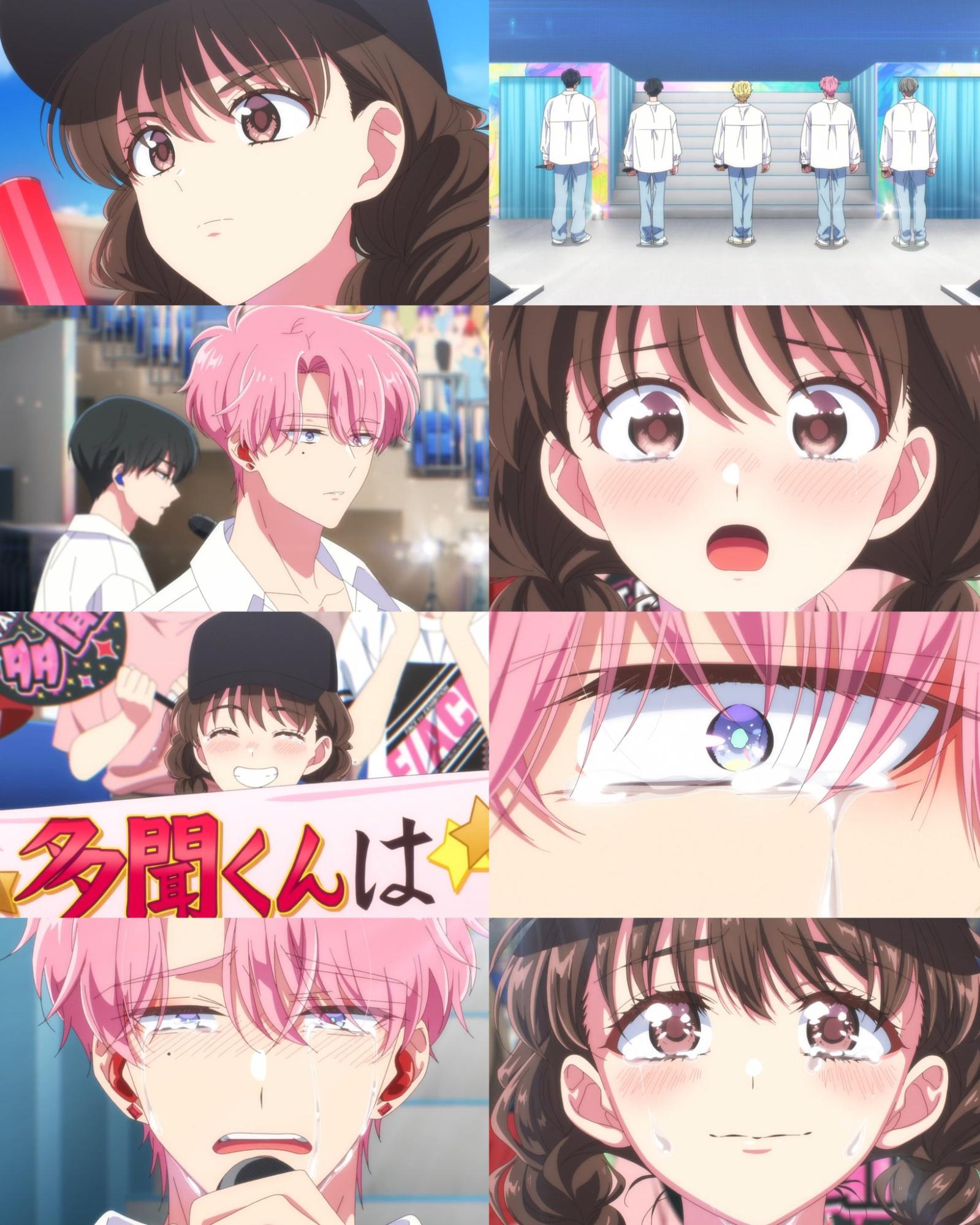
While the series’ strongest point is its comedy, it never fails to deliver tear-jerking moments as well.
At its core, Tamon’s B-Side is more than an idol romance. It’s a story about identity, vulnerability, and what happens when admiration gives way to genuine understanding. Tamon has always wanted to make people smile; that part of him has never changed. Over time, Utage learns that loving someone isn’t about preserving an ideal image, but about accepting the parts that exist away from the spotlight.
“Tamon is God!” may be her catchphrase, but the heart of the story is far gentler than that. It reminds us that even the people we admire most need someone to believe in them when they can’t quite believe in themselves.
Tamon's B-Side | Official Trailer | Crunchyroll
That moment when Tamon pulled her inside | Tamon's B-side ep 1 scene
Tamon’s B-Side- F/ACE 🎵Supernova
What do you think?
Will Utage and Tamon’s relationship progress beyond friends and employer - housekeeper?
Do the other F/ACE members also have B-sides?
Will Tamon end up befriending the rest of the members or will their relationship remain that of co-workers?
Let us know in the comments or drop us a line on social media: X (formerly Twitter), Instagram, Facebook! We’d love to hear from you!
ZenPlus is your one-stop shop for all things Japanese. Check out our marketplace for manga volumes, cosplay, figures, and other merch from the Tamon’s B-Side franchise!
You can watch Tamon’s B-Side on Crunchyroll, Bilibili and Ani-One Asia.
About the Writer
Cristy is a freelance artist and writer who has been obsessed with anime and manga since childhood. Her love for these imaginative worlds fuels her creative endeavors, and she shows no signs of stopping anytime soon.